
 coinfomania.com
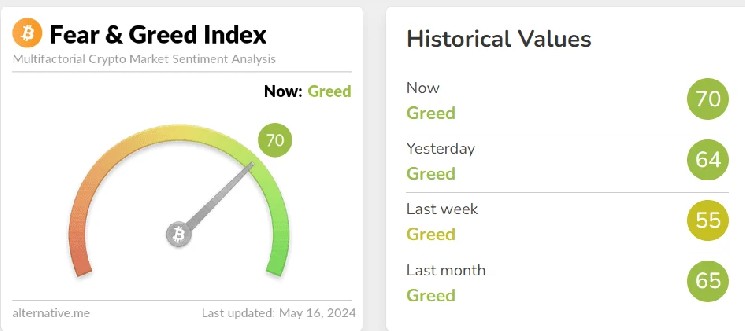
Quinten Francois posted a brief but effective statement. He explained that all seasons of excessive fear were followed up by regrets. The market indicator he referred to is famous. The Crypto Fear and Greed Index triggered the high levels of fear again. The index fell to under the 20 level. Such a zone is typical of panic conditions. During such stages, retail confidence is undermined. Markets become increasingly intense in selling. The Bitcoin has just fallen short of major psychological milestones. The volatility rose drastically. The social media were dominated by negative sentiment. Merchants were emotional. There were well-established trends as seen by long-term investors.
What the Fear and Greed Index Tells you
The Fear and Greed Index follows the sentiment of the investors. It is a combination of volatility, volume, social sentiment, and momentum. Capitulation is indicated by extreme fear. Sellers scramble out of positions. Liquidations through force are accelerating declines. Weak hands are flushed out by leverage. In the past, such occurrences were bottoms in the market. Bitcoin usually backtracked soon thereafter. The recovery of prices was quicker than anticipated. Late sellers faced regret. The chart that is available in the post brings out several cycles. All of the extremes fear readings were followed by drastic rebounds. The information confirms the principles of contrarian investing.
Pattern Explained by Behavioral Finance
A significant role is taken by the human psychology. Investors are terrified of the losses than they appreciate gains. This idea is based on the behavioral finance studies. Research by Kahneman and Tversky describes loss aversion. Irrational decisions are inspired by fear. During uncertainty, panic selling is higher. Markets are ruthless to emotional responses. Composed persons have an advantage. Radical fear results in wrong pricing. Assets are traded at a low price. Patience is a virtue of long term capital. This is the psychological reality behind the message Quinten puts across. History repeats itself since a behavior is unchanging.
After price recovery is regret. Investors sell near lows. They wait for confirmation. Markets turn back against the expectation. Re-entry feels risky. Prices move higher quickly. Lack of opportunity induces emotional suffering. The same is the case with previous cycles. Fear peaks close to bottoms. Greed returns near tops. Emotions are hard to time. Punishment is more important than prophecy. Supreme fear puts faith to the test. Ready investors are the only ones who take decisive action.
Implications of this to the existing market
The present world is reminiscent of the previous recessions. The feeling is still highly negative. News cycles enhance negative thinking. There is the pressure of Macroeconomic uncertainty. Nevertheless, accumulation is observed on-chain. The long-term holders increase positions. Supply tightens gradually. The weak hands are shaken out by volatility. These are those conditions that had historically favored patient capital. The post by Quinten is an acknowledgment. During times of downfall, fear is forever. History shows otherwise. Markets eventually recover. Emotional exits are followed by regrets.