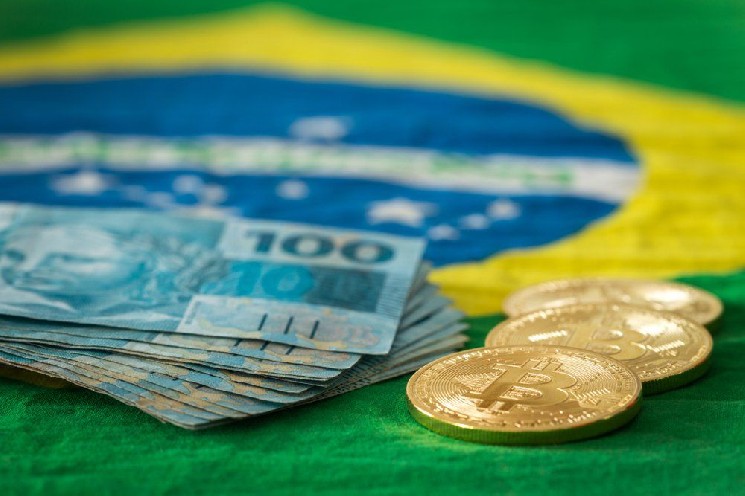
Eid emphasized a measured approach, not turning crypto into the centerpiece of a portfolio but using it as a complementary asset that can help absorb shocks from currency depreciation and global volatility.
“The idea is not to make cryptoassets the core of the portfolio but to include them as a complementary component — sized appropriately to the investor’s risk profile,” Eid wrote.
This year, bitcoin surged to a record near $125,000 before falling back to around $90,000. For local investors, the ride was even bumpier due to currency fluctuations.
Products like BITI11, a bitcoin ETF traded in Brazil, saw their performance in reais affected by the weakening fiat currency. But in periods of stress, such as late 2024, the global nature of $BTC provided some insulation.
Eid warned against trying to time the market and suggested a disciplined, long-term mindset. A small, steady exposure to bitcoin, he says, can act as a partial hedge and offer access to global returns, especially as traditional asset correlations become less reliable.
“It calls for moderation and discipline: set a strategic slice (for example, 1%–3% of the total portfolio), keep a long-term horizon and resist the temptation to react to short-term noise,” Eid wrote.

 coindesk.com