
 cryptonewsland.com
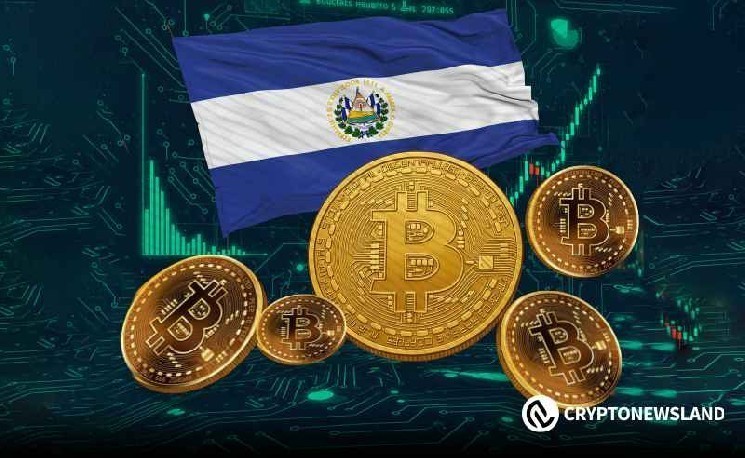
- El Salvador bought over 1,000 BTC this week, keeping daily purchases despite market drops.
- Bitcoin fell below $90,000 as short-term holders sold 148,000 BTC at a loss.
- Sovereign nations like El Salvador and Czech Republic are slowly adding Bitcoin to reserves.
El Salvador purchased 1,091 BTC on Tuesday which is about almost $100 million, according to Bitcoin Office data. Since the country announced its consistent strategy to buy Bitcoins by President Nayib Bukele in November 2022, the country continued to purchase Bitcoins.
According to data from the Ministry of Finance of El Salvador, the country accumulated an additional 1,098.19 BTC in the past 7 days, bringing its total holdings to 7,474.37 BTC, with a value of approximately US$685 million. Over the past 30 days, it has acquired a total of…
— Wu Blockchain (@WuBlockchain) November 18, 2025
In the last seven days, El Salvador bought 1,098.19 BTC which brings it to total holdings of 7,474.37 BTC. These holdings are worth approximately $688 million currently. In early September, President Bukele added 21 Bitcoin to El Salvador’s BTC holdings bringing the total to 6,313.18 BTC worth $702 million. Although the Bitcoin market has been fluctuating, the government is still purchasing at least 1 BTC daily. The plan is indicative of a long term plan that will empower the country with digital reserves.
Bitcoin Market Faces Pressure
Tuesday’s Asian markets opened with Bitcoin below $90,000, marking a 4.91% drop in 24 hours. At the time of reporting, Bitcoin trades around $90,268, per CoinMarketCap data. Short-term holders, defined as wallets holding BTC less than three months, sold 148,000 BTC at a loss.
This represents the largest short-term holder liquidation since April 2025. Analysts note this mirrors previous market tops, suggesting selling pressure may continue. El Salvador’s $100 million purchase temporarily supported the market but could not offset broader selling trends.
Global Trends in Sovereign Bitcoin Adoption
Financial analysts highlight that sovereign nations buying dips may indicate shifting global financial strategies. The Czech National Bank recently disclosed its first direct crypto exposure, buying Bitcoin and other assets worth $1 million.
These moves suggest governments are cautiously integrating digital assets into reserves. El Salvador’s approach contrasts with typical market reactions by continuing accumulation during downturns. The government positions itself to absorb discounted BTC while other market participants de-risk.
Strategic Long-Term Positioning
The Bitcoin plan of El Salvador focuses on decentralization of financial power instead of centralization. The Bitcoin Office highlights the importance of cryptocurrency in transparency, liberty and powering individuals.
The government has a consistent accumulation policy although the market is experiencing volatility. By purchasing consistently, the country seeks to strengthen national digital reserves against future uncertainty. The ongoing purchases test whether long-term holders will absorb supply at lower prices.