
 cryptodnes.bg
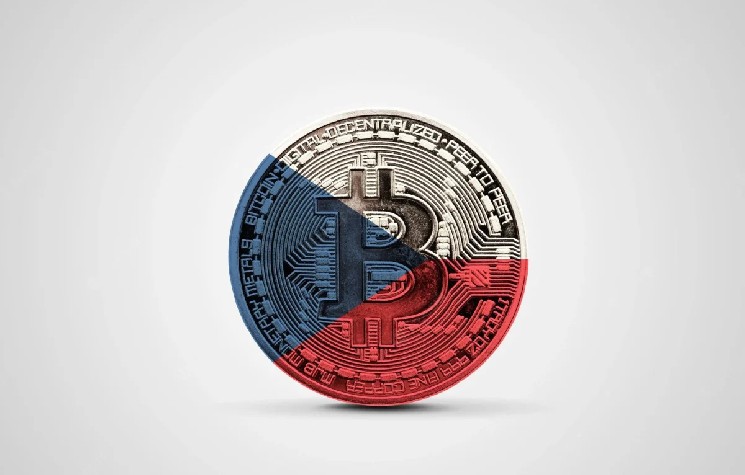
The Czech National Bank has quietly begun an unusual project that places it among the most proactive European monetary authorities exploring digital markets.
Instead of treating crypto solely as a subject for academic reports, the bank has assembled a small portfolio of blockchain-based instruments – roughly $1 million in value – to study how these technologies function in real-world conditions. The assets, mainly Bitcoin but accompanied by dollar-pegged tokens and a tokenised deposit, are kept entirely outside the nation’s foreign reserve system.
What makes the initiative notable is not the size of the holdings but the intention behind them. The bank is not attempting to profit or diversify its reserves; rather, it is building internal expertise. Over the next several years, staff will simulate the full range of activities required for managing digital assets: securing private keys, running approval chains, testing operational resilience, and navigating compliance issues such as anti-money-laundering procedures. The exercise is expected to run for two to three years before the institution draws any formal conclusions.
Governor Ales Michl, who earlier advocated for a closer examination of Bitcoin and tokenised instruments, has framed the programme as a way to ensure the central bank is prepared for broader changes in financial markets. He has suggested that in the future, consumers may be able to acquire tokenised government bonds or other digital instruments as effortlessly as making small routine purchases. As part of the experiment, the bank will periodically rebalance or transact within the portfolio to observe how different tokens behave under shifting market conditions.
Although the project touches Bitcoin, it does not signal any move toward adding the asset to official reserves. The European Central Bank maintains a firm view that Bitcoin is unsuitable for central bank reserve management, and political barriers in Europe remain substantial.
The Czech National Bank emphasised that the pilot is legally compliant and distinct from its reserve strategy. It also acknowledged that exposure to Bitcoin could theoretically be gained via an exchange-traded fund, but noted that such a step is not under consideration due to Bitcoin’s relatively short history and evolving regulatory environment.
For now, Prague’s approach remains strictly experimental. Yet by engaging directly with tokenised markets rather than observing from afar, the institution is positioning itself ahead of many of its regional counterparts – signalling that it intends to understand the mechanics of digital finance long before it becomes a mainstream expectation.