
 crypto-news-flash.com
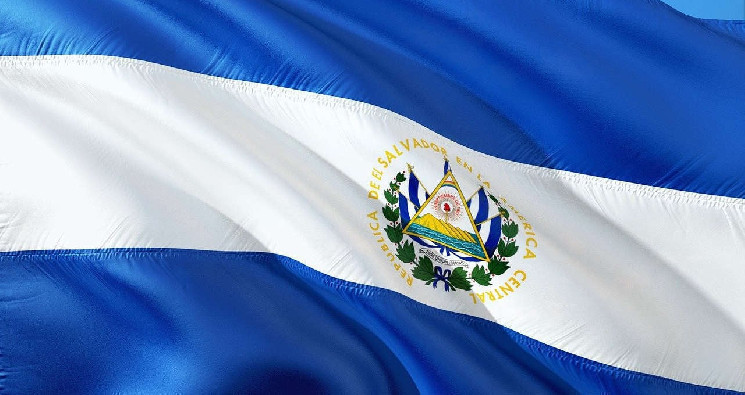
- El Salvador split its 6,284 $BTC reserve into 14 wallets to reduce quantum computing-related risks.
- A public dashboard now shows the nation’s Bitcoin holdings for better transparency and monitoring.
El Salvador, through its official National Bitcoin Office, officially split a single main wallet that previously held 6,284 $BTC—worth approximately $678 million—into 14 different wallets. Each wallet holds a maximum of 500 $BTC. But why bother splitting it up like that?
El Salvador just split its $678M worth of Bitcoin into 14 different wallets.
🚀 pic.twitter.com/46FCJeqJrV
— Kamil (@KamilShaheen19) August 30, 2025
Quantum Fears Push Bitcoin to Multiple Wallets
It turns out the reason is quite serious. Authorities in El Salvador are concerned about the potential threat of quantum computing technology. Although the technology is not yet fully ubiquitous in everyday life, many experts say that in the next few years, the traditional cryptography used in blockchain could be compromised.
Therefore, the more frequently a wallet is used and exposed on the blockchain, the greater the chance of its security being compromised. By spreading Bitcoin ownership across many new addresses, this risk can be mitigated early.
What’s more, the local government has also opened a public dashboard so anyone can monitor all their Bitcoin backup wallets in real time. This transparency is a welcome change, given the considerable criticism surrounding the government’s management and reporting of Bitcoin holdings.
However, on the other hand, an equally important question arises: is the El Salvadoran government really still buying 1 $BTC per day, as often claimed?
El Salvador’s Wallet Activity Raises Fresh Questions
Since early 2024, President Nayib Bukele has frequently stated on social media that his country consistently saves one Bitcoin every day. However, according to documents from the IMF, the El Salvadoran government has not purchased Bitcoin since February 2025. The official report states that the country’s reserves did not increase, not even a penny, after that month.
Furthermore, several blockchain analysts have suggested that the transactions seen on the Bitcoin network—allegedly purchases—may simply be internal transfers from a cold wallet to a government-owned hot wallet.
This means there are no actual purchases from the market. This naturally raises questions: are these daily purchases real or merely a communication strategy?
Furthermore, the broader context also enriches this story. In early August, the CNF reported that El Salvador was preparing to launch a dedicated financial institution called “Bitcoin Banks.” The goal, of course, is to expand crypto adoption into the banking sector.
The world now waits to see whether this small Central American nation can pave the way for others to follow, or whether it will stumble in the middle of its grand experiment.
Meanwhile, El Salvador’s efforts are not solely focused domestically. Last March, we noted that they entered into a partnership with Paraguay in the form of a memorandum of understanding that strengthens cross-border crypto regulatory cooperation.
This collaboration aims to enhance anti-money laundering efforts and safeguard the financial integrity of the digital asset industry. It is hoped that this kind of legal clarity will make large institutions more comfortable entering the crypto market.
Recommended for you:
- Buy Bitcoin Guide
- Bitcoin Wallet Tutorial
- Check 24-hour Bitcoin Price
- More Bitcoin News
- What is Bitcoin?