
 worldcoinindex.com
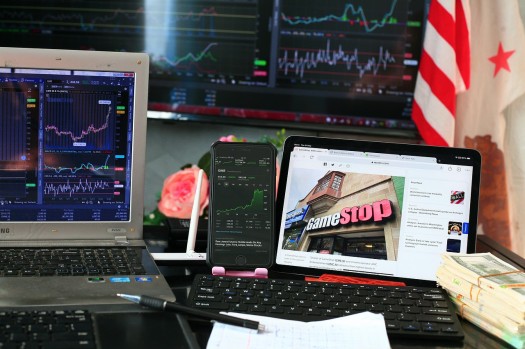
GameStop has turned heads with a bold foray into Bitcoin, investing $512 million to acquire 4,710 BTC—marking one of the largest crypto treasury allocations ever made by a traditional retailer.
At a time when market volatility remains high and Bitcoin investment risks continue to divide analysts, GameStop’s high-conviction move has added a new chapter to corporate digital asset adoption. Spearheaded by CEO Ryan Cohen, the decision is a calculated deployment of excess capital, leveraging the company's nearly $5 billion cash position and debt-free balance sheet.
Strategic Use of Capital in a Volatile Crypto Landscape
GameStop’s entry into Bitcoin comes not as a speculative gamble, but as an extension of Cohen’s philosophy of aggressive-yet-measured capital allocation. After slashing executive compensation—cutting the C-suite pay package from $55 million to $2 million—and declining personal compensation, Cohen has doubled down on maximizing long-term shareholder value.
The Bitcoin purchase aligns with this vision, transforming GameStop’s financial strategy into one that prioritizes high-upside assets while maintaining operational integrity. The company’s improved financial footing—clearing over $800 million in debt and strengthening gross margins—has enabled this ambitious leap into crypto without compromising its core retail overhaul.
Market Response and Investment Risk
Market response has been mixed. While some investors see the move as visionary, others remain cautious, concerned about how Bitcoin’s unpredictable price swings might affect corporate balance sheets. With Bitcoin experiencing multiple corrections this year alone, the crypto market’s instability remains a central challenge for companies exploring similar investment strategies.
Still, GameStop’s large cash buffer helps mitigate immediate downside risk, giving the company room to weather potential short-term turbulence. Analysts are closely watching the impact on valuation metrics as the crypto position begins to reflect more prominently on GameStop’s books.
A New Standard for Retail Treasuries?
GameStop’s bold step mirrors, but also diverges from, the paths taken by MicroStrategy and Tesla—two companies known for their early adoption of Bitcoin. However, unlike those firms, GameStop’s crypto play is closely tied to a broader corporate turnaround. The company is not just experimenting with digital assets; it’s signaling a deeper shift in how legacy retailers can evolve by embracing high-growth sectors.
As a result, GameStop is now seen as a bellwether for Bitcoin’s role in corporate treasuries. Its move could influence other retailers to re-evaluate their capital deployment strategies, particularly if GameStop’s stock performance and business metrics improve in the wake of the investment.
Final Thoughts
GameStop’s Bitcoin acquisition isn’t just about crypto—it’s a signal of a larger strategic transformation under Ryan Cohen’s leadership. With strong financial fundamentals, a leaner executive structure, and an appetite for bold bets, GameStop is positioning itself as a new kind of retailer—one that’s not afraid to blend digital asset strategy with disciplined capital management.
As the dust settles and market observers continue to analyze this move, one thing is clear: GameStop has re-entered the spotlight, not just as a meme stock, but as a serious corporate innovator navigating the frontier of financial strategy.