“To be clear, we're an operating company,” she said. “But we do invest alongside the space.”
In other words, Coinbase isn’t betting the company on bitcoin. On a Q&A call with retail investors, Armstrong said there was a temptation in its early days to put a lot of $BTC on the balance sheet, but it was too risky. Crypto is volatile and, at the time, Coinbase was too young of a company to take that risk.
Now, as a listed giant things have changed, but there's still not a need to go all-in on bitcoin. Coinbase is allocating profits from operations back into crypto assets, similarly to how a commodity firm might accumulate raw materials it understands deeply. The move is less Michael Saylor and more sector-aligned capital recycling.
In fact, Coinbase didn’t even trumpet the purchase in its shareholder letter. The news only surfaced in response to a retail shareholder's question about “accruing hard crypto reserve assets.”
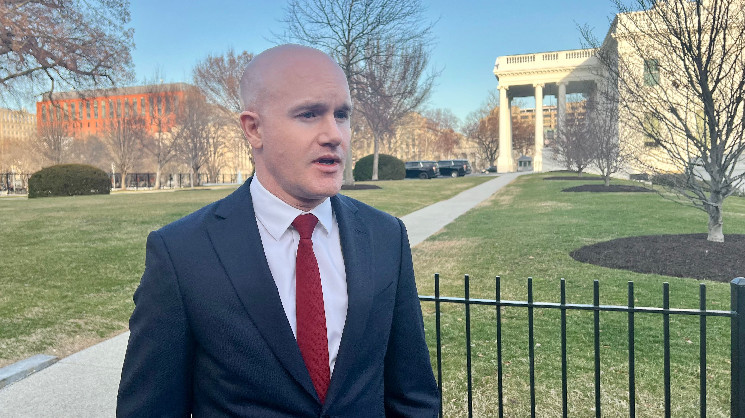
CEO Brian Armstrong didn’t speak directly about the purchases, but he did offer a philosophical context. Coinbase, he reminded investors, isn’t dabbling in crypto – it is crypto.
“We’ve been focused on crypto since the beginning, 12 years ago, and we continue to be focused there,” Armstrong said. “Crypto is eating financial services.”
For Armstrong, buying $BTC is a byproduct of conviction and operational alignment and not a headline play, treasury pivot, or activist bet.
Coinbase isn’t holding $BTC to signal to markets some broader conviction, or become a proxy like MSTR. Behind the accounting language is something deeper: a long-view bet that holding Bitcoin, like building the rails beneath it, is simply part of Coinbase's job.
That's not a treasury strategy — it's something in the middle.

 coindesk.com