“Donald Trump’s highly anticipated crypto summit was an exemplary exercise in public relations,” said Kai Warwzinek, co-founder of Impossible Cloud Network. “While the US President promised a major shift for crypto, he delivered next to nothing.”
The executive order mandates a full accounting of federal digital asset holdings and stipulates that the U.S. will not sell any Bitcoin ($BTC) deposited into the reserve. Instead, these assets will be treated as a store of value, similar to a digital Fort Knox. Additionally, the U.S. Digital Asset Stockpile will consist of non-Bitcoin digital assets seized in criminal or civil proceedings, with no plans to acquire additional assets beyond those obtained through seizure.
The US government currently holds 198,109 $BTC worth approximately $16 billion.
However, concerns about the plan’s implementation are keeping investors cautious. “If Trump’s Bitcoin reserve plan lacks clear details, cryptocurrencies could be highly volatile,” Marion Laboure of Deutsche Bank said. “The timing, money and allocation are uncertain. The market is cautious, focusing on profits if the plan moves forward, and preparing for losses if it stalls.”
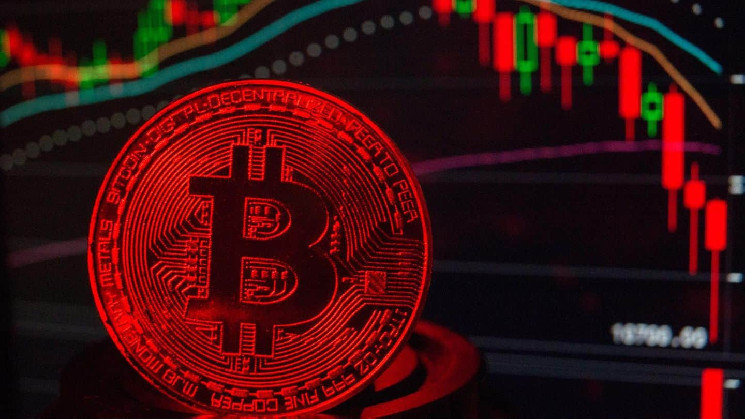
Annualized Bitcoin volatility rose to 62.67% as of March 9, the highest level in the last three months. Analysts attribute this to the mismatch between market expectations and the reality of Trump’s crypto initiative.
“The current crypto sell-off highlights the mismatch between expectations and reality,” said Nic Puckrin, founder and financial analyst at The Coin Bureau. “Investors had unrealistic expectations for the crypto reserve and were disappointed when the details emerged.”
Puckrin also noted that the Trump administration remains primarily focused on long-term interest rates and the budget deficit, meaning spending cuts and tariffs are likely to continue.
“This may be painful for risk assets in the short term, but 10-year Treasury yields are falling very quickly,” he said. “In the long run, this is much more important to Trump and his voters because it means interest rates are going to fall and the U.S. can finally get out of debt.”
Despite the short-term turbulence, some experts believe that an improving regulatory environment and deeper integration with traditional finance could ultimately strengthen the cryptocurrency sector.
“The promise of an improving regulatory environment and integration with traditional finance rails will solidify the important role of cryptocurrencies in the U.S. financial landscape,” Puckrin said.
*This is not investment advice.

 en.bitcoinsistemi.com