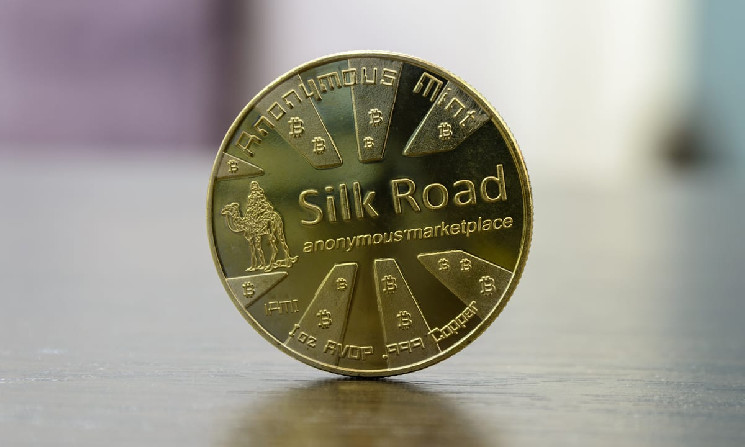
The US Department of Justice (DOJ) received approval on January 8 to sell the confiscated Bitcoin, but no movements have been recorded yet. Despite the uncertainty surrounding the sale, Bitcoin’s recent decline, from its peak of $108,000 to just over $92,000, has been primarily driven by panic selling from short-term holders. In the past day alone, over 36,000 $BTC moved from short-term wallets to exchanges, with most of these coins being sold at a loss, contributing to the market’s recent downward pressure.
CryptoQuant’s analysis suggests that the potential market impact from the Silk Road Bitcoin stash is minimal compared to the overall increase in Bitcoin’s realized market capitalization, which has risen by $381.7 billion in the last year. This growth dwarfs the value of the seized Bitcoin, making it less likely that its sale will create lasting downward pressure on the market.
The firm also acknowledged that selling the Bitcoin directly on crypto exchanges could lead to short-term volatility, as evidenced by the German government’s 50,000 $BTC sale in 2024, which affected Bitcoin’s price. However, the effect of the Silk Road Bitcoin sale will depend largely on how the DOJ handles the transaction.

 cryptodnes.bg