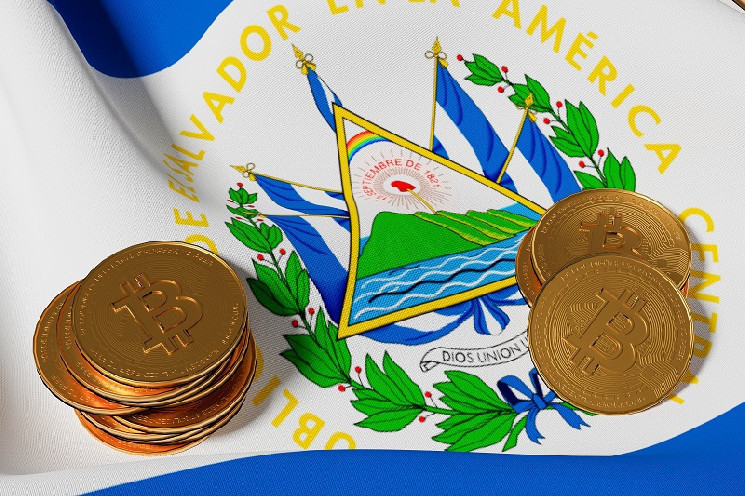
In addition to profits from Bitcoin reserves, the country has diversified its revenue streams, tapping into innovative avenues tied to the cryptocurrency.
Among the sources of Bitcoin-related revenue highlighted by Bukele are proceeds from the country’s passport program, conversion of $BTC to USD to facilitate local business transactions, income from Bitcoin mining activities, and utilization of Bitcoin in various government services.
+ #$BTC revenue from our passport program
+ Revenue from converting #$BTC to USD for local businesses
+ #$BTC from mining
+ #$BTC revenue from government services https://t.co/O1sjKoJRiq
— Nayib Bukele (@nayibbukele) March 11, 2024
These initiatives underscore El Salvador’s commitment to leveraging Bitcoin not just as a store of value but also as a means of bolstering its economic potential.
Venture capitalists foresee Bitcoin transforming El Salvador
Renowned venture capitalist Tim Draper in a live interview expressed optimism regarding El Salvador’s Bitcoin adoption, foreseeing a transformative impact on the nation’s future.
Draper envisions a scenario where El Salvador, by embracing Bitcoin, could transition from being one of the poorest and most crime-ridden countries to one of the wealthiest and most innovative within the next few decades.
Draper’s bullish outlook is grounded in the belief that Bitcoin’s disruptive potential extends beyond mere financial gains. He anticipates that El Salvador’s strategic investments in Bitcoin could enable the country to pay off its debts to international institutions like the IMF, thereby achieving financial independence.
Draper’s predictions align with his optimistic projections for Bitcoin’s price, asserting that it could reach $250,000 by the current year.
Draper’s assertions are not far fetched seeing that the country’s bet on Bitocin enabled it to fully pay its $800 million Eurobond repayment that was due in January 2023
The post El Salvador generating revenue from Bitcoin, could pay off all its IMF debt appeared first on Invezz

 invezz.com