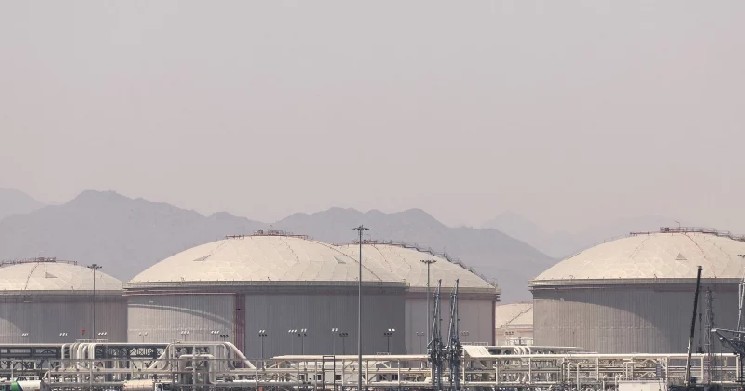
Pakistan had been mediating peace talks between the two nations. Those efforts now look considerably more fragile.
This cycle of escalation has already driven oil prices up more than 8% over recent months, and the latest action suggests the trend isn’t breaking anytime soon.
The crypto ripple effect
The crypto market responded with heightened volatility almost immediately after news of the strikes broke. Bitcoin saw notable price swings as traders recalibrated their risk exposure. In a curious subplot, $HYPE briefly surpassed Dogecoin in trading volume as capital rotated rapidly across tokens.
The broader digital asset market shifted into a risk-off posture, with cautious trading and potential liquidations characterizing the session as participants braced for more headlines out of the Middle East.
Why oil prices matter for your portfolio
When oil prices spike, they feed directly into inflation readings. And when inflation readings come in hot, the Fed has less room to cut rates or maintain accommodative monetary policy. Market experts have drawn a direct line between sustained high oil prices and potential constraints on Fed policy. Tighter monetary conditions mean less liquidity in the financial system, and less liquidity means less speculative capital flowing into risk assets.
The $102-per-barrel level for Brent is particularly significant. It sits above the psychological $100 threshold that tends to shift narrative framing from “elevated prices” to “energy crisis.”
For Bitcoin specifically, the situation creates a paradox. Persistent inflation strengthens the “digital gold” narrative, but the liquidity contraction that comes with hawkish monetary policy tends to suppress all risk assets, Bitcoin included.
The $HYPE-surpassing-Dogecoin moment suggests traders are rotating rapidly and chasing momentum, a hallmark of markets that are nervous but not yet in full panic mode.
What investors should monitor closely in the coming days: whether Brent crude holds above $100, any developments in the Pakistan-mediated peace talks, and Fed commentary on inflation expectations.

 cryptobriefing.com