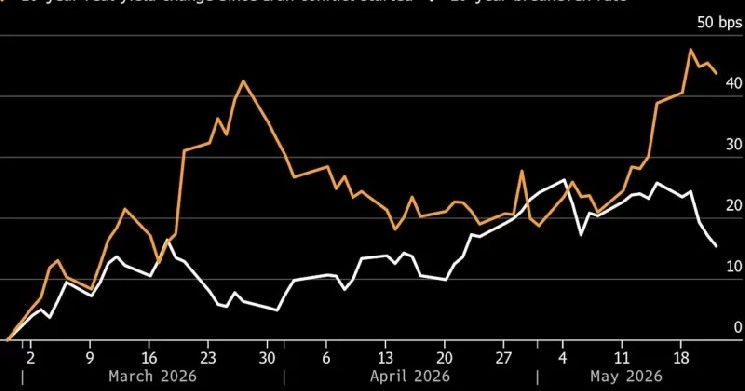
The US has roughly $36 trillion in outstanding debt. Even modest increases in yield, when applied across that mountain of obligations as debt rolls over, translate into enormous additional costs. The FT’s assessment that the damage could reach tens of billions is, if anything, conservative depending on how long yields stay elevated.
The conflict escalated around March 2, 2026, following strikes that killed Iran’s Supreme Leader, Ayatollah Ali Khamenei. Auction performance for shorter-term debt has weakened noticeably, a sign that investors are demanding better terms to absorb the government’s refinancing needs.
The Fed’s shrinking playbook
Before the conflict escalation, markets had been pricing in potential rate cuts as part of an eventual easing cycle. Those expectations are now fading fast. The inflationary pressures created by the conflict have effectively boxed the Fed in, removing one of the key tools that had been supporting risk appetite across financial markets.
What this means for crypto investors
Bitcoin has been trading in a range of approximately $68,000 to $77,000 during this period of geopolitical upheaval, caught between macro uncertainty pulling prices down and structural demand providing a floor.
When yields rise sharply, risk assets tend to sell off as capital rotates toward the suddenly more attractive returns available in government bonds. Ethereum and other altcoins face a tougher setup, as these assets tend to amplify moves in broader market sentiment and typically bear the brunt of repositioning when financial conditions tighten.
The practical takeaway for crypto traders is that macro has become the dominant variable. Position sizing and risk management matter more than usual when a single missile strike can move the 2-year yield by half a percentage point.

 cryptobriefing.com