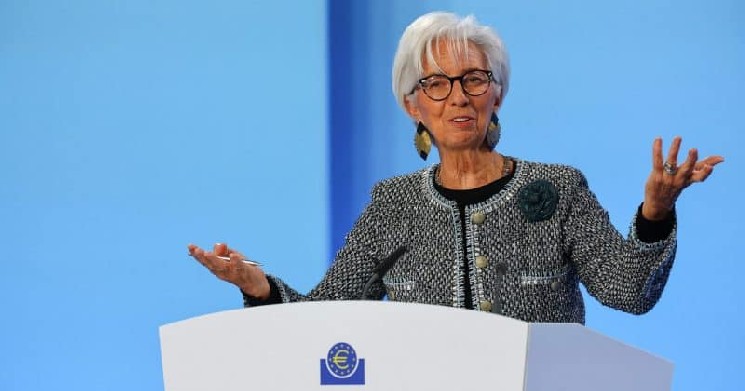
Lagarde said the case for promoting euro denominated stablecoins is weaker than it appears once their monetary and technological functions are separated.
Stablecoins can extend the reach of reserve currencies and support tokenized settlement, but she warned that euro stablecoins could also create financial stability risks, weaken monetary policy transmission, and increase pressure on banks if deposits migrate into non bank instruments.
The ECB president said stablecoins have become the default cash leg for tokenized finance because they allow transactions to settle natively on blockchains. Still, she argued that private stablecoins remain fragile because they can lose their peg during periods of stress and could fragment tokenized markets across competing instruments.
Lagarde said Europe should respond with public infrastructure rather than copy the US stablecoin model. The Eurosystem plans to launch wholesale settlement through Pontes in September, linking DLT platforms to TARGET so tokenized transactions can settle in central bank money. The ECB’s Appia roadmap aims to build a fully interoperable European tokenized financial system by 2028.
Alvin Kan, COO at Bitget Wallet, said regulated euro stablecoins could address transparency and reserve concerns under Europe’s stricter MiCA rules, but adoption remains the larger challenge.
He said users and developers will keep relying on USDC and USDT if Europe fails to support scalable euro stablecoins, because liquidity and network effects are already concentrated around dollar based tokens.
Kan said Europe may end up with a divided market where tokenized finance develops inside regulated institutional rails, while everyday crypto payments and DeFi continue to run largely on dollar stablecoins. He added that dollar stablecoins are already embedded in global payments, remittances, and DeFi, making their network effects harder to challenge the longer Europe waits.

 cryptobriefing.com