
 beincrypto.com
The ongoing Iran conflict is now costing Americans real money—and the numbers are starting to add up. New estimates show the war has cost roughly $30–45 billion in just over a month.
When broken down, that equals about $2.5 to $3.8 per person per day, with a central estimate near $3 daily.
The biggest driver is US military spending. Early data suggests tens of billions have already been spent on operations, making it the largest direct cost.
“Higher grocery prices could soon hit supermarkets as the war with Iran continues. The higher prices are because of a surge in the cost of diesel fuel, which powers many of the vehicles transport products across a vast global supply chain," per ABC
— unusual_whales (@unusual_whales) March 23, 2026
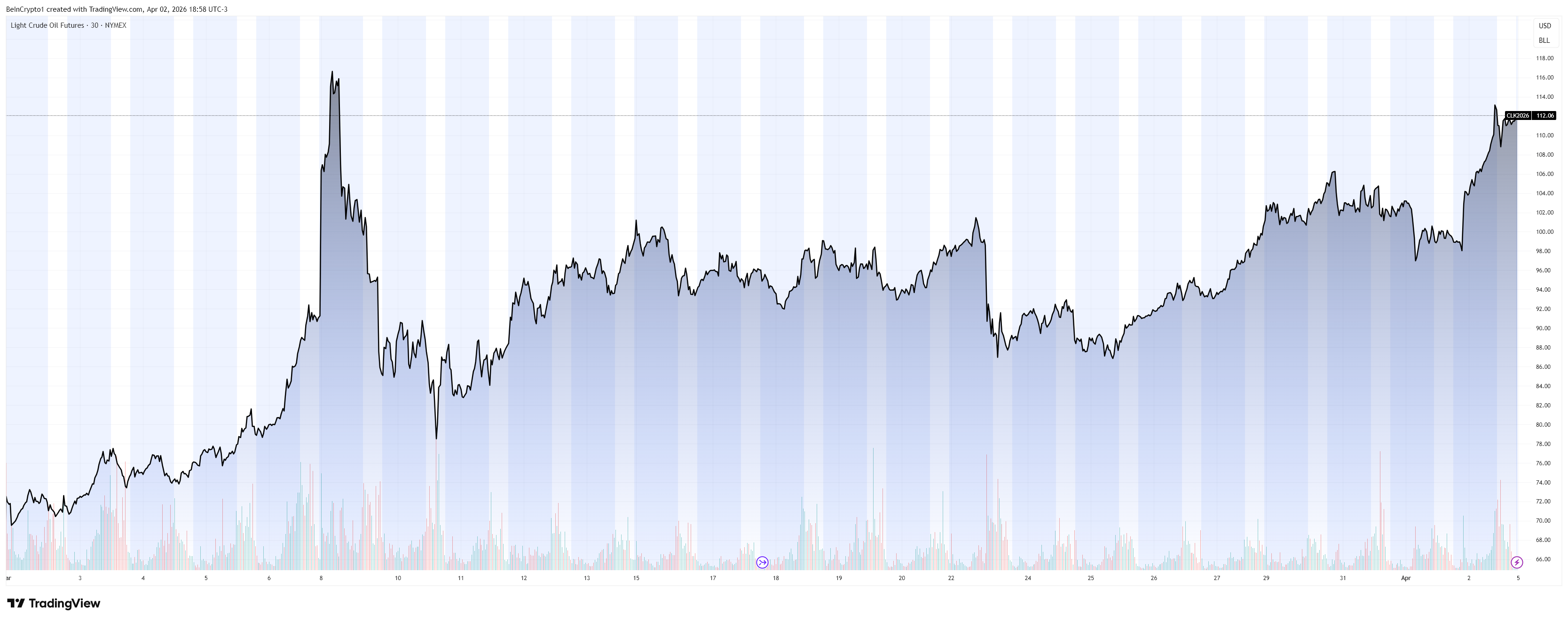
However, Americans are feeling it most at the pump. Oil prices surged from around $79 a month ago to over $110 per barrel, driven by supply fears and disruptions around the Strait of Hormuz.
That pushed gasoline prices sharply higher, adding billions in extra household fuel costs.
Meanwhile, inflation is starting to creep up. Rising oil feeds into transport, food, and goods pricing. Mortgage rates have also moved higher, increasing borrowing costs.
There is also a much higher “hidden” cost. US stocks have lost trillions in value during the conflict. That hits retirement accounts and savings, though it is not a direct daily expense.
There is a near-perfect correlation between US oil prices and US CPI inflation, as shown in our below analysis.
— The Kobeissi Letter (@KobeissiLetter) April 2, 2026
As WTI crude surges above $112/barrel, we believe the US economy is bracing for 3.5%+ CPI inflation, particularly if current prices persist through April.
Asset… pic.twitter.com/WY1eN2ihzx
Simple Cost Breakdown (34 Days)
| Category | Estimated Cost |
| Military spending | $23B – $34B |
| Higher fuel costs | $4B – $6B |
| Inflation spillover | $2B – $4B |
| Total | $30B – $45B |
Implications are Higher
In simple terms, the average American is quietly paying a few dollars a day through higher prices and government spending.
But the real risk is escalation. If oil keeps rising—or the war expands—these costs could increase sharply, hitting both inflation and financial markets at the same time.