S&P 500 futures climbed 0.8% on the report. WTI crude erased an earlier jump to $107 and settled near $103 after Iran struck a Kuwaiti crude oil carrier in Dubai earlier in the session.
The whipsaw capped a brutal stretch for traditional markets. The S&P 500 is now on its longest daily losing streak since 2022. MSCI Asia Pacific is heading for its worst month since the 2008 financial crisis. Treasuries extended gains and the dollar weakened against most G10 currencies.
Crypto's relative performance continues to stand out against that backdrop. The total crypto market cap sits at $2.32 trillion, roughly unchanged over the past week, a period in which the Nasdaq 100 dropped about 5%. Bitcoin has spent the entire war trading between roughly $65,000 and $73,000, selling on every escalation but refusing to break structurally lower even as equities form a clear downtrend.
"Crypto has pulled back, but appears stronger than stocks," said Alex Kuptsikevich, chief market analyst at FxPro. "Although the cryptocurrency market remains below its 50- and 200-day moving averages, it is finding support on dips to the lows seen since early February, demonstrating horizontal stabilization following the slump, while equities are forming a downtrend."
JPMorgan noted Monday that bitcoin is weathering the Iran crisis better than gold and silver, a notable observation given that gold's unprecedented losing streak has been the single most disorienting signal in global markets for weeks. The traditional safe haven is falling during an active war while the asset that's supposed to be the volatile one holds its range.
The question heading into April is what a potential end to the conflict actually means for crypto.
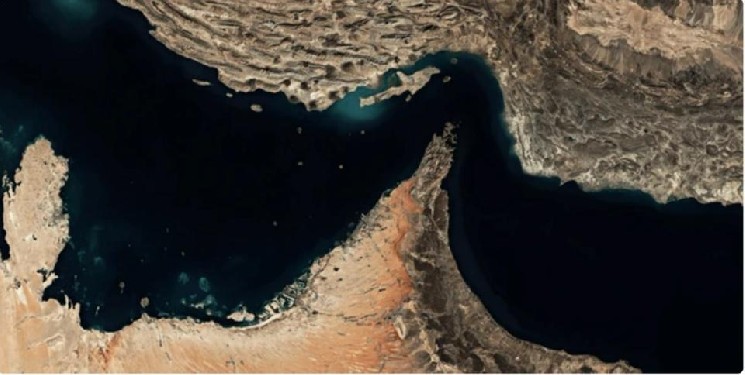
A ceasefire would remove the headline risk that has kept bitcoin range-bound, but a closed Hormuz even after a U.S. withdrawal would keep oil elevated and inflation expectations sticky, complicating the rate-cut path the market has been waiting on.
Monday's dip below $65,200 and snap recovery above $67,000 looked like a stop-hunt that found real demand underneath. Whether that demand holds through April depends on whether Trump's willingness to end the war turns into an actual off-ramp, or just another headline in a month that's been full of them.

 coindesk.com