
 beincrypto.com
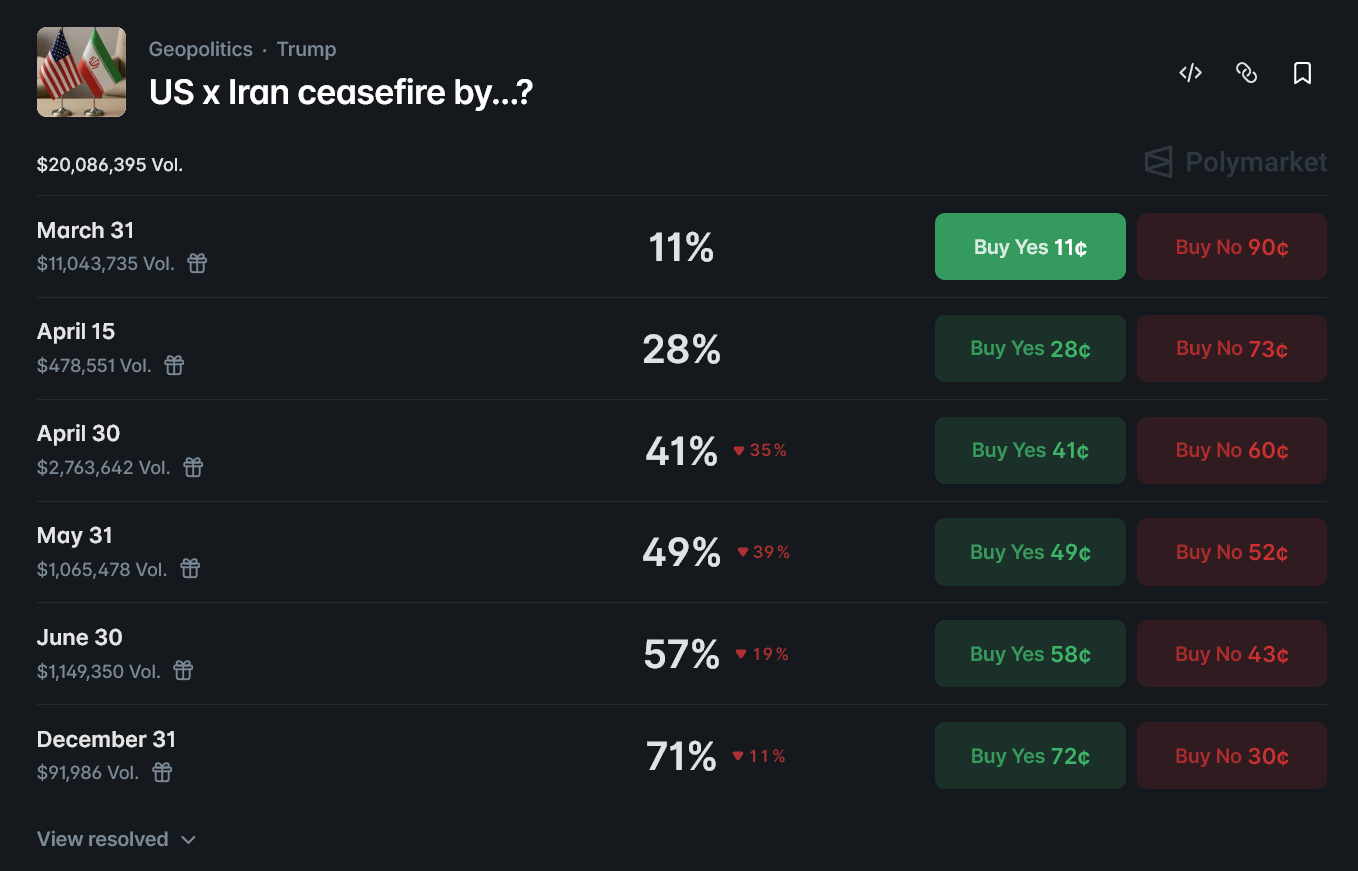
Prediction markets are starting to draw a timeline for the US–Iran war, and it may end sooner than many expect.
Data from Polymarket shows that the highest-volume bets cluster around June 2026, with users increasingly pricing in a resolution by the end of Q2.
Odds for an earlier March exit remain low, while probabilities rise sharply into late April, May, and peak in June.
This shift comes as political and diplomatic pressure builds. On March 17, US counterterrorism chief Joe Kent resigned, reportedly criticizing the war’s direction. His departure adds to signs of internal strain within the administration.
After much reflection, I have decided to resign from my position as Director of the National Counterterrorism Center, effective today.
— Joe Kent (@joekent16jan19) March 17, 2026
I cannot in good conscience support the ongoing war in Iran. Iran posed no imminent threat to our nation, and it is clear that we started this… pic.twitter.com/prtu86DpEr
At the same time, backchannel diplomacy is quietly advancing. According to Axios, US and Iranian officials have reopened direct lines of communication, marking a shift from indirect talks.
While not formal negotiations, it signals early-stage de-escalation efforts.
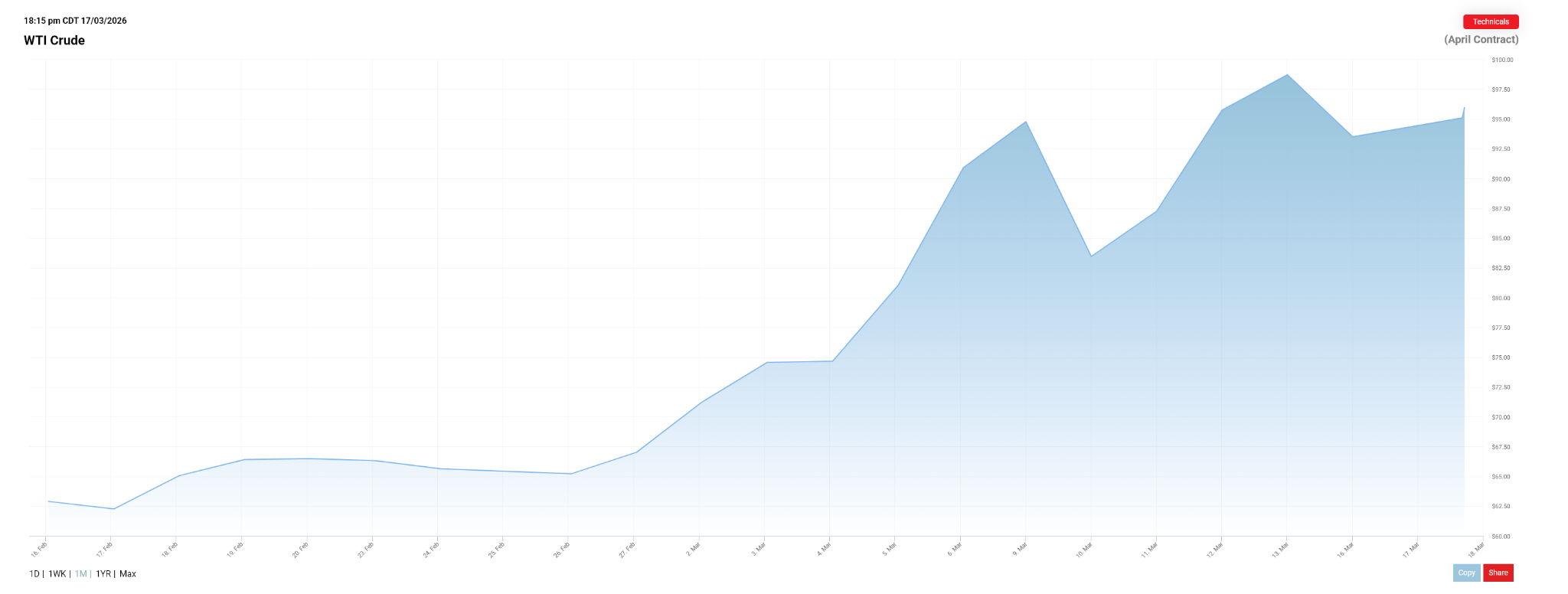
Meanwhile, economic realities are tightening the timeline. The Strait of Hormuz remains disrupted, and oil prices have surged above $100, amplifying global inflation risks.
European and Asian allies have also rejected US requests to deploy warships, limiting Washington’s ability to escalate.
Public pressure is also rising. With midterm elections approaching, domestic opposition to the war is growing, increasing the urgency for a clear exit strategy.
Historically, conflicts like the Russia–Ukraine War have dragged on for years.
However, analysts say this conflict is structurally different. The economic shock and geopolitical constraints make a prolonged war less sustainable.
Taken together, the signals point in one direction. Markets expect the US to declare some form of strategic success and exit by mid-2026, rather than allow the conflict to stretch into a long war.