“If you messed with the monetary side of the rules-based global order, the US would send the military over and kick your head in. That is a big part of why Saddam was invaded, a big part of what Gaddafi was doing.”
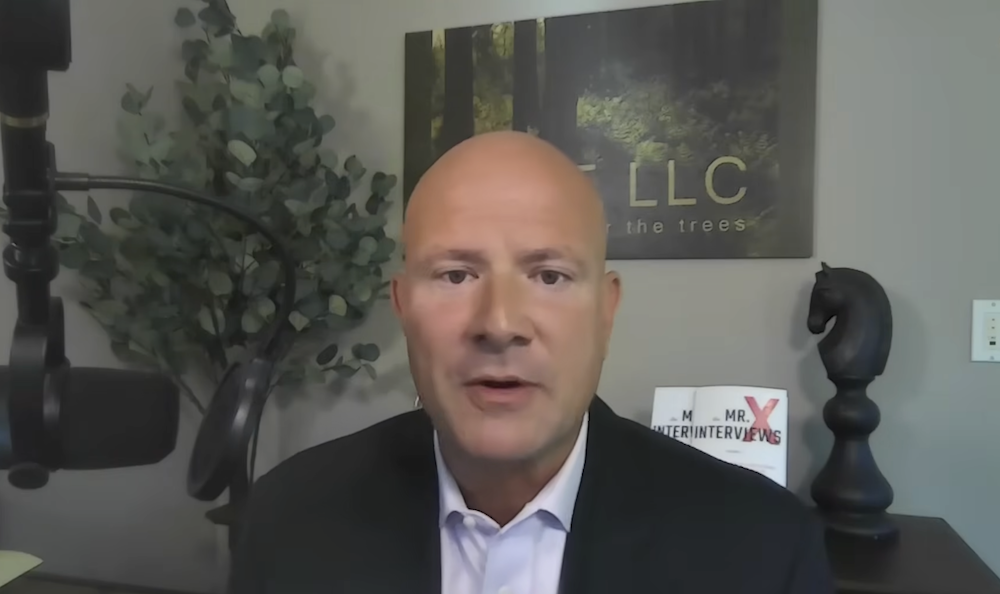
Analyst Luke Gromen sits down with Marty Bent on the Truth For The Commoner podcast to discuss the shifting macroeconomic landscape. Source: TFTC
China produces over 90% of the world’s rare earth minerals and rare earth magnets used in electronics manufacturing, according to Reuters. The announced export restrictions on rare earths won’t just reshape supply chains, but the entire global monetary order, Gromen said.
Here’s what it means for Bitcoin and hard money assets
Gromen said that a hard money standard is the only fix for the current economic problems in the United States.
He touted $BTC as one of the hard money assets that can save the ailing economy, meaning the prices of gold and $BTC will continue to rise in the face of currency inflation as individuals and businesses adopt $BTC to protect purchasing power.
He also cast doubt on the US government’s plan to use stablecoins to protect US dollar hegemony, arguing that stablecoins are only a temporary, short-term fix that does not address the core issue, which is currency debasement.
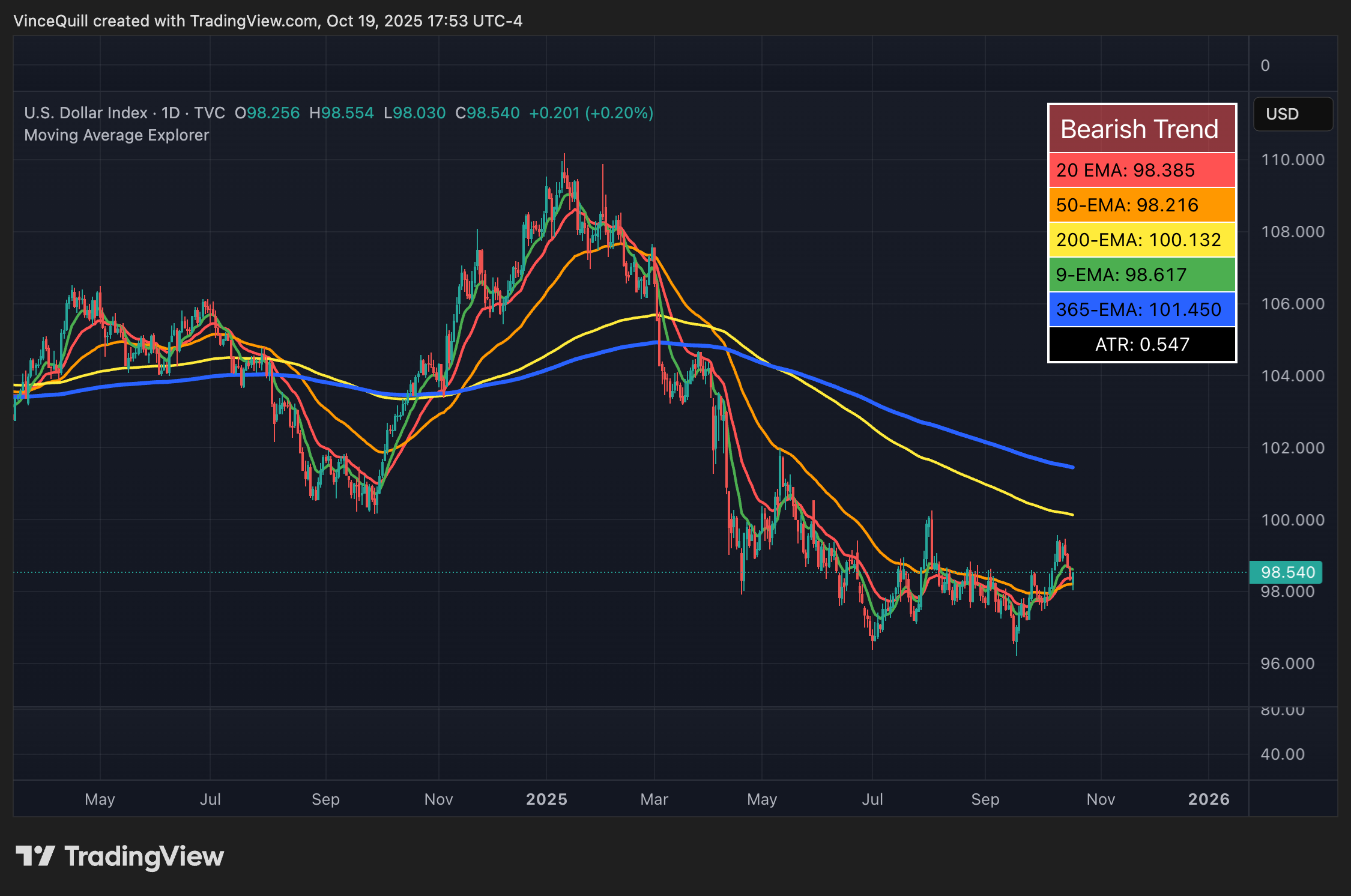
The Dollar Currency Index (DXY), which measures the strength of the US dollar relative to a basket of major fiat currencies is declining. Source: TradingView
The US dollar is on track for its worst year since 1973, amid Bitcoin and gold hitting new all-time highs, according to investment analysts at The Kobeissi Letter.
“The USD is now on track for its worst year since 1973, down over 10% year-to-date. The USD has lost 40% of its purchasing power since 2000,” The Kobeissi Letter wrote.
Ongoing debasement of the currency means that all asset prices will continue to rise as investors rush to protect their purchasing power, Kobeissi Letter added.

 cointelegraph.com