cryptoticker.io
Japan’s Banks Fully Adopting $XRP: A Financial Revolution
The Japanese banking sector is on the verge of a historic transformation, as all banks in the country are set to integrate Ripple’s $XRP for financial transactions. This unprecedented shift, confirmed by SBI Holdings CEO Yoshitaka Kitao, is expected to enhance cross-border payments, reduce costs, and establish $XRP as a global bridge currency. With Japan’s $6.372 trillion banking sector embracing $XRP, this move could be a game-changer for the cryptocurrency industry and the broader financial landscape.
The Impact on Cross-Border Transactions
The integration of $XRP into Japan’s banking system aims to streamline remittances and currency conversions. The move is expected to modernize Japan’s financial sector by leveraging $XRP’s high-speed and low-cost transaction capabilities. As a bridge currency, $XRP eliminates the inefficiencies of traditional banking methods, allowing seamless international transactions. Analysts predict that this adoption will solidify $XRP’s role in global finance and set a precedent for other countries.
$XRP’s Market Potential: Price Projections and Adoption Scenarios
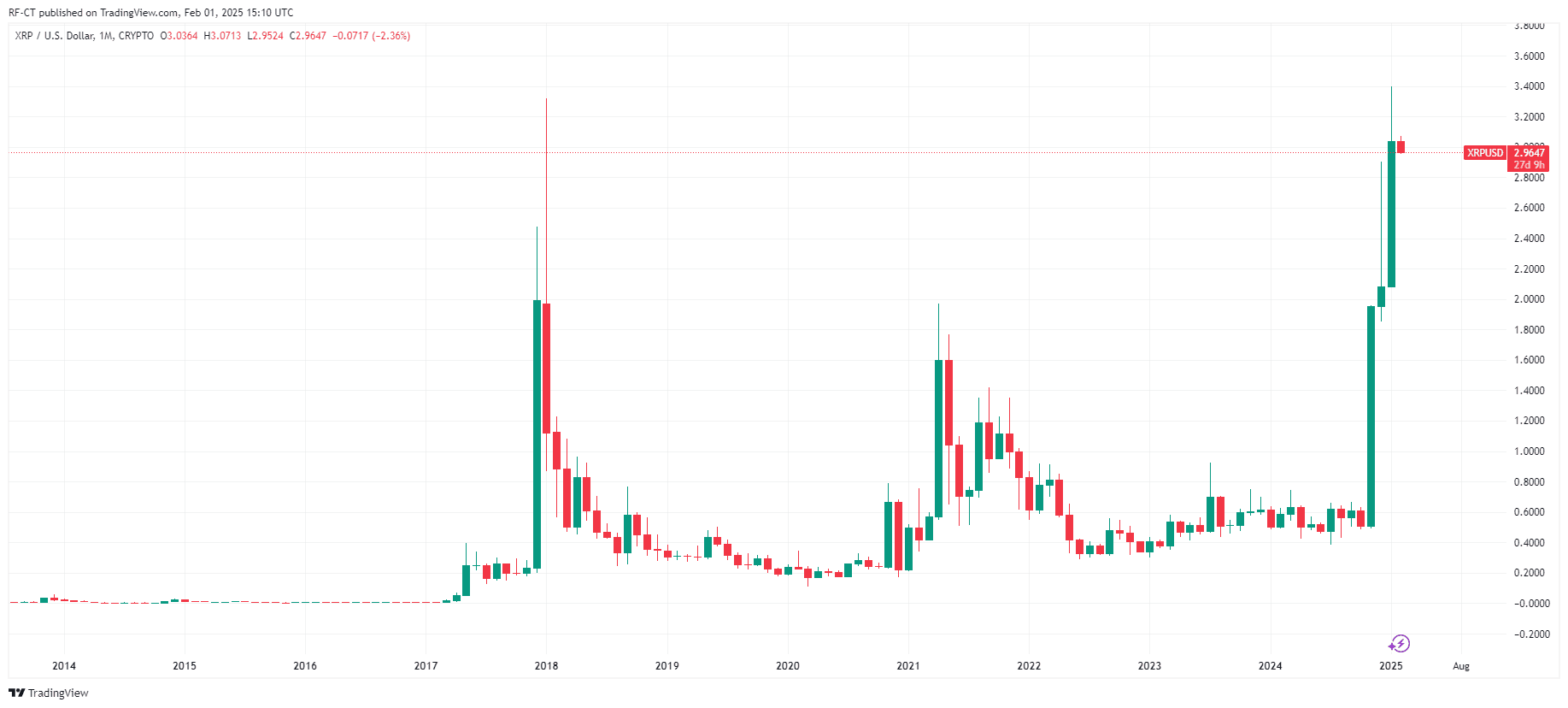
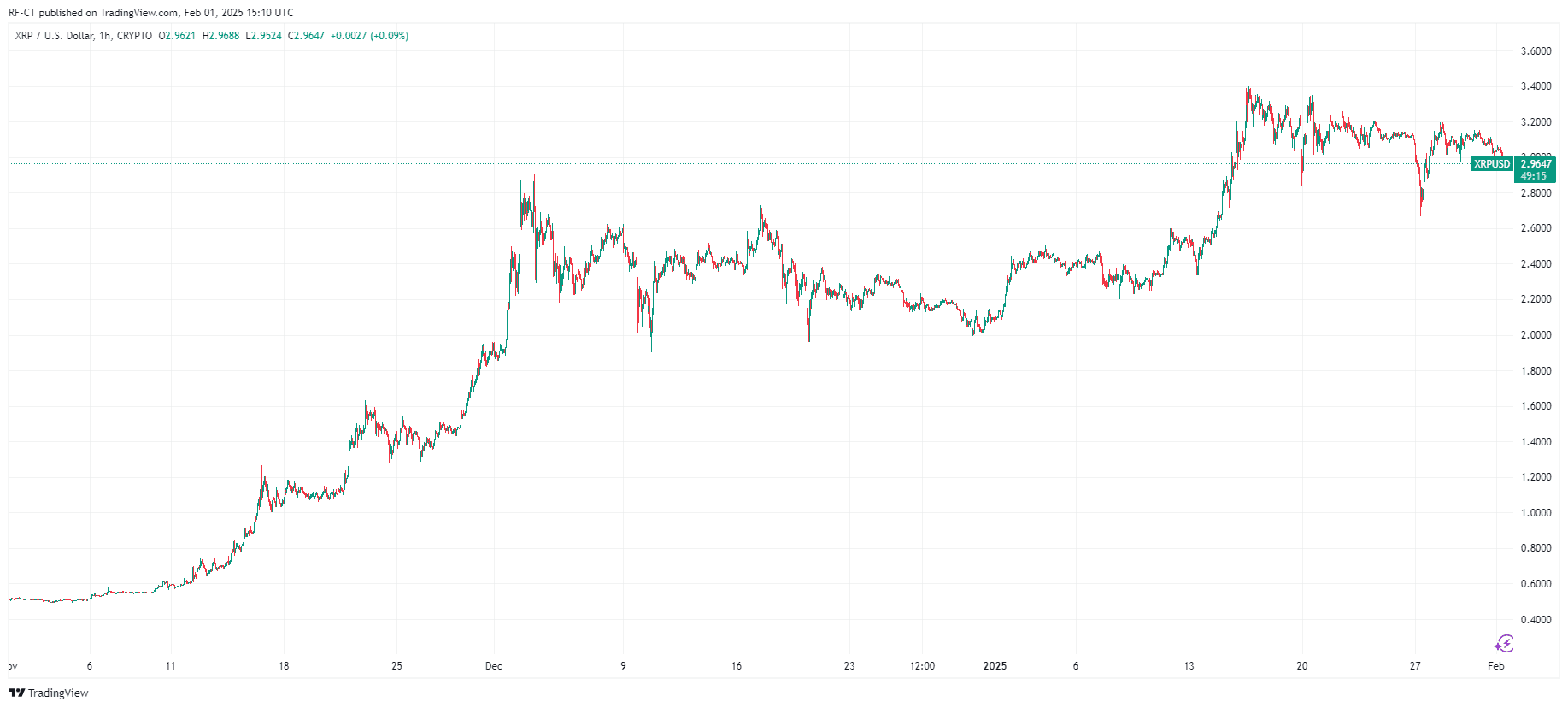
With $XRP adoption gaining traction in Japan, analysts forecast significant price growth. Even a small-scale implementation could yield substantial value appreciation:
- 1% adoption rate: $XRP could surge to $3.50 per token.
- 10% adoption rate: $XRP could reach $13.48, making it one of the most valuable digital assets.
Should Japan’s success influence other global banks, $XRP’s use case could expand exponentially, further increasing its market cap and overall demand.
SBI’s Strategic Vision for $XRP
SBI Holdings, one of Japan’s largest financial groups, has been a vocal proponent of $XRP. CEO Yoshitaka Kitao has consistently argued that $XRP holds greater real-world utility compared to Bitcoin, which he claims lacks intrinsic value. SBI’s extensive partnership with Ripple dates back to 2016, and its ongoing efforts in remittance technology have demonstrated $XRP’s effectiveness in international payments.
SBI’s Advanced Remittance Technology & Ripple’s Interledger Protocol
SBI’s remittance technology, built on the $XRP Ledger (XRPL) and Ripple’s Interledger Protocol (ILP), facilitates seamless global transactions. This advanced framework allows banks to bypass traditional multi-currency exchange systems, reducing transaction costs and increasing speed. Notably, this approach has drawn interest from major financial institutions, including the Bank of England, underscoring $XRP’s potential as a financial cornerstone.
The Ripple Effect: Will Other Countries Follow?
Japan’s regulatory environment has been progressive toward cryptocurrencies, creating fertile ground for $XRP’s integration. If successful, this move could encourage other nations to consider similar blockchain-based solutions. $XRP’s efficiency and ability to reduce remittance costs could be particularly beneficial for countries with large expatriate populations, making it a preferred digital asset for international banking.
A Monumental Shift in Global Finance
As Japan spearheads the adoption of $XRP across its banking sector, the financial world watches closely. This shift not only strengthens $XRP’s credibility but also has the potential to redefine international banking infrastructure. If other nations follow suit, $XRP could become a dominant force in global finance, driving its adoption and market value to new heights.