Ethereum has long been the leader in the smart contract platform space. However, Solana has emerged as a formidable contender, with both networks now operating on proof-of-stake (PoS) consensus mechanisms.
This shift to PoS for Ethereum, known as Ethereum 2.0, marks a significant transition toward a more energy-efficient and scalable network. Solana, on the other hand, was built on PoS from the ground up, focusing on high throughput and low transaction costs, which has attracted a substantial user base and developer community.
Comparing Ethereum and Solana, one must look beyond just the monetary value. Both networks provide a foundation for building decentralized applications (dApps), but they approach scalability and transaction speed differently. Ethereum's transition to PoS aims to address its scalability issues, whereas Solana has been marketed as a "high-performance blockchain," capable of handling many more transactions per second from the outset.
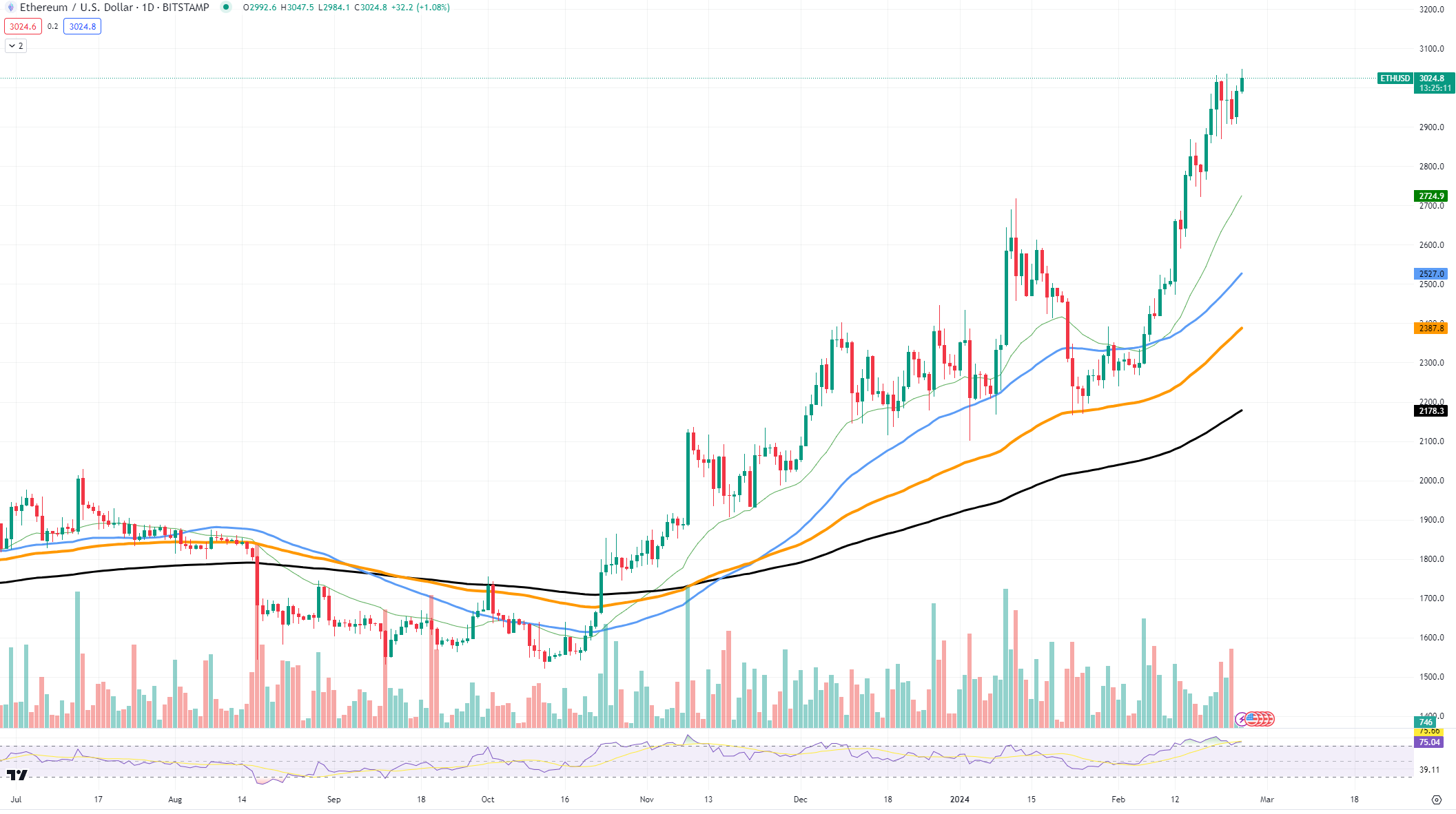
The SOLETH charts reflect Solana's poor performance against Ethereum, indicating a strong preference of Ethereum among investors, likely after the most recent outage on the Solana network. Ethereum's larger ecosystem and longer track record provide it with a more substantial market capitalization and a broader range of dApps.

 u.today