
 cryptobriefing.com
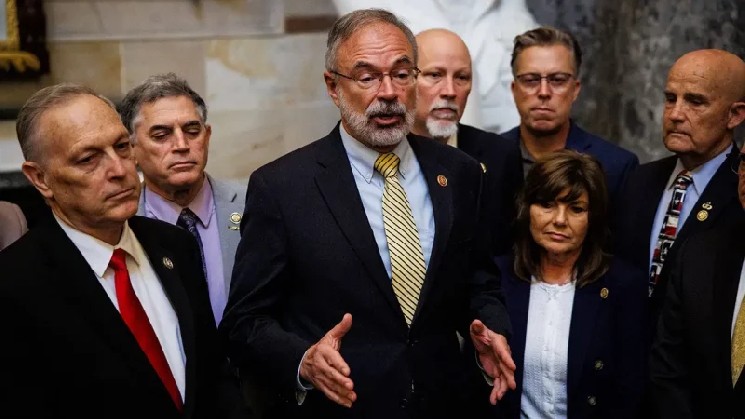
House conservatives are escalating their fight over government surveillance by demanding that any renewal of FISA Section 702 include a permanent ban on central bank digital currencies.
Members of the House Freedom Caucus are pushing to attach the CBDC ban to legislation reauthorizing the controversial warrantless surveillance program, which is set to expire on June 12 after Congress passed a 45 day extension in late April. The Senate approved the short term fix after rejecting a longer House bill that included digital currency language.
Section 702 allows US intelligence agencies to collect communications of foreigners overseas through US platforms, but critics have long argued that Americans’ messages can be swept up and searched without a warrant. The Trump administration has sought a longer renewal, calling the authority a critical national security tool, but conservative and progressive privacy hawks have resisted a clean extension.
Rep. Chip Roy said a clean reauthorization is off the table and warned the Senate against dismissing House demands. The Freedom Caucus has argued that a CBDC ban is needed to prevent the Federal Reserve from issuing a digital currency that could give the government greater visibility into Americans’ financial activity.
The proposal faces steep odds in the Senate, where Democrats and some Republicans have opposed attaching the CBDC measure to surveillance legislation. Fox News reported that the digital currency language helped stall earlier negotiations before lawmakers settled on the temporary extension.
The privacy push extends beyond digital currency. Roy is also seeking to repeal a Biden era provision directing regulators to develop impaired driving technology standards for new cars, which conservatives have criticized as a potential vehicle data collection mandate. GOP privacy hawks are also pressing for a warrant requirement before officials can search Section 702 data involving Americans.
Democratic privacy advocates have also backed warrant requirements for queries involving Americans, creating an unusual overlap between the left and right. But national security lawmakers argue that new restrictions could weaken a tool they say helps track foreign threats, cyber operations, terrorism, and drug trafficking.