
 news.bitcoin.com
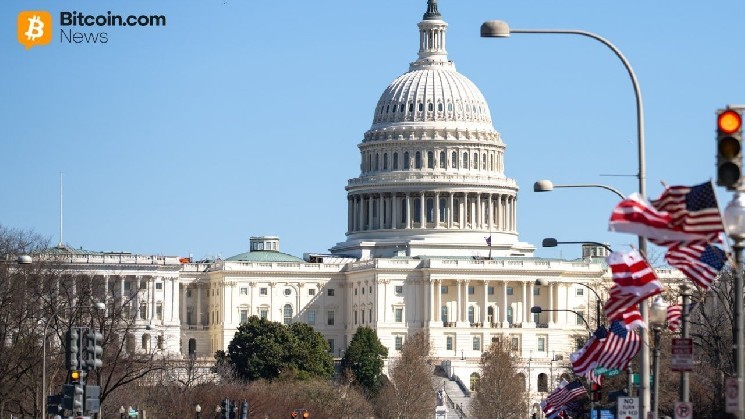
Lawmakers are confronting rising pressure to modernize cryptocurrency tax policy as uncertainty clouds compliance, threatens U.S. competitiveness, and forces Congress to weigh legislative action amid warnings that capital and innovation could move offshore.
Capitol Hill Braces for Crypto Tax Overhaul as Crapo Warns of Capital and Innovation Exit
U.S. Lawmakers are confronting mounting pressure to overhaul cryptocurrency taxation as capital and innovation threaten to leave the United States. U.S. Senator from Idaho Mike Crapo laid out that urgency on Dec. 15, pressing Congress to act decisively on modernizing federal tax rules for digital assets.
In his weekly column published on Dec. 15, the senator stated:
In recent years, digital assets, such as cryptocurrencies, have become an important part of our global financial system.
As chairman of the U.S. Senate Finance Committee, he described how the panel’s authority over federal tax policy places it at the center of determining whether the United States can sustain leadership in a rapidly evolving market. Crapo recalled a bipartisan request for information issued more than two years ago with Ranking Member Ron Wyden of Oregon, explaining that responses from industry participants and taxpayers revealed widespread confusion and compliance challenges.
“Lingering tax uncertainty makes the U.S. a less attractive place to do business and invest. It also hurts tax compliance. The U.S. must not fall behind in this rapidly growing market,” he warned. Crapo cited passage of the GENIUS Act this summer as progress on payment stablecoins, while underscoring that many cryptocurrency transactions still lack clear answers under existing tax law.
Read more: New IRS Guidance Spares Strategy From 15% Tax on Unrealized Bitcoin Gains
Turning to next steps, Crapo outlined how unresolved rules weigh on individuals, businesses, and federal revenues, including those in Idaho. He referenced actions by the Trump Administration, including an Executive Order issued during President Trump’s first week in office that established the President’s Working Group on Digital Assets Markets and produced the report “Strengthening American Leadership in Digital Financial Technology,” which includes tax-related legislative proposals.
Crapo also pointed to testimony from Coinbase Global Vice President of Tax Lawrence Zlatkin during an October Finance Committee hearing, highlighting the limits of relying on Internal Revenue Service guidance alone. Emphasizing the stakes for lawmakers, Crapo concluded:
Simply put, our tax code must adapt its treatment to new and diverse cryptocurrency products and functions. I look forward to the ongoing work to advance legislative solutions that benefit taxpayers and our economy alike.
FAQ ⏰
-
Why is Congress under pressure to change cryptocurrency tax rules?
Unclear federal tax treatment is driving confusion, hurting compliance, and pushing crypto capital and innovation out of the U.S. -
What role does Senator Mike Crapo play in crypto tax policy?
As chair of the Senate Finance Committee, Crapo oversees federal tax policy shaping cryptocurrency regulation. -
How does the GENIUS Act relate to cryptocurrency taxation?
The GENIUS Act advanced stablecoin payments but left many crypto tax questions unresolved. -
Why isn’t IRS guidance enough for crypto taxes?
Industry leaders say IRS guidance alone cannot address complex and evolving cryptocurrency products.