
 coindesk.com
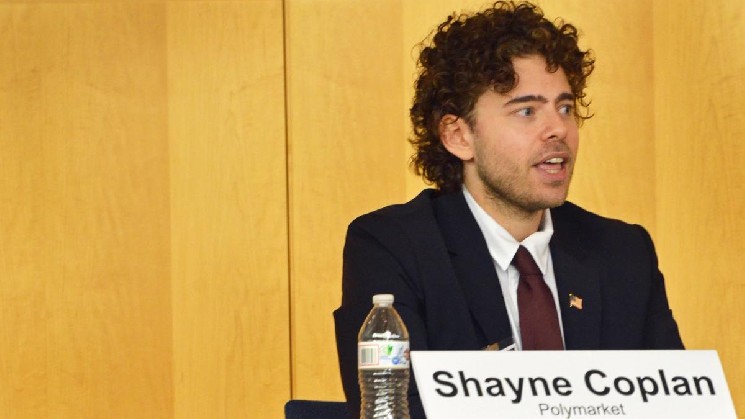
Prediction platform Polymarket rolled out five-minute crypto up-or-down betting contracts on its regulated U.S. platform. Operated by QCX LLC, the platform runs under Commodity Futures Trading Commission (CFTC) oversight.
Traders can bet on whether a cryptocurrency will end a five-minute period above or below its starting price, allowing investors to capitalize on ultra-short-term price movements in bitcoin BTC$81,445.79, ether ETH$2,357.12, solana (SOL) and $XRP ($XRP). Even a small price change can determine whether a contract pays out.
The structure is similar to binary options, which have long been traded in traditional financial markets. Unlike conventional options, where returns can vary with the size of a price movement, binary options offer an all-or-nothing outcome.
That distinction is key because the payout depends on which side of a price threshold the market finishes, rather than how far the underlying asset moves.
For traders, the binary plays introduced Oct. 28 eliminate the need to time precise exit points or calculate complex percentage gains. The payoff structure is simple enough for even a novice user to grasp: A correct prediction yields a fixed $1 payout per share, an incorrect one pays nothing. By lowering the barrier to entry, the options effectively democratize access to short-term derivative trading.
Mati Greenspan, market analyst and CEO of Quantum Economics, said the apparent simplicity conceals risks.
“A button marked ‘up’ or ‘down’ makes the decision look simple. It tells you nothing about the sophistication of your competition,” Greenspan told CoinDesk.
The contracts are finding a market beyond crypto platforms. Kalshi recorded more than $1 billion in crypto event-contract trading in March 2026, according to a research paper published by ArXiv. Nasdaq and Cboe have also considered offeringsimilar products.
Flagging settlement risks
A working paper published on arXiv on June 30 examined Polymarket’s earlier five-minute bitcoin contracts, which debuted in February. The study analyzed trading activity from their introduction through roughly April and found a sharp increase in bitcoin trading just before expiry.
In some cases, prices, leading researchers to suspect that traders were buying or selling bitcoin to influence the outcome of their bets. Those findings predate Polymarket’s August 2026 change to time-weighted average price (TWAP) settlement and do not apply to the new U.S. products.



