
 en.bitcoinsistemi.com
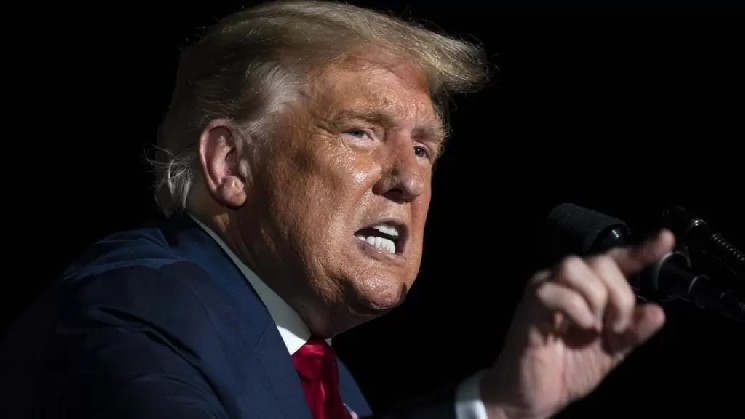
Following the US Department of Justice’s (DOJ) initiation of an investigation into Federal Reserve Chairman Jerome Powell, market dynamics shifted against Donald Trump’s expectations.
According to market forecasts, Powell’s chances of remaining at the Fed after his term ends in May, potentially serving until 2028, are increasing. Meanwhile, Kevin Warsh, seen as a more hawkish candidate for the Fed chairmanship, is beginning to overtake Kevin Hassett, known for his closeness to Trump. These developments point to a power struggle between Trump and the Fed that could continue throughout the year.
According to data from the forecasting platform Polymarket, the likelihood of Powell leaving his post has sharply declined following his video response to an inquiry on January 11. At the beginning of the month, the probability of Powell leaving the Fed before May 30 was priced at 74 percent, but this has fallen to 45 percent. The probability of him leaving by the end of the year has also decreased from 85 percent to 62 percent.
Markets have also revised their expectations regarding Powell’s potential successor. Following news of the Justice Department’s investigation, Warsh’s support for the Fed chairmanship at Polymarket began to surpass Hassett’s. Warsh is emerging as a “hawkish” candidate who could adopt a tougher stance on monetary policy.
Policy analyst Dan Clifton stated that there has been an informal understanding between Trump and Powell since last summer. According to this understanding, if Powell agreed to step down when his term ends in May, Trump would not escalate his criticism of the multi-billion dollar renovation project at the Fed headquarters. Trump had previously harshly criticized this project, but had softened his criticism of the Fed somewhat in the second half of last year.
According to Clifton, crossing this “red line” last Sunday strengthened the possibility of Powell remaining as an ordinary board member at the Fed. The analyst stated that continuing the personal attacks against Powell is likely to be fruitless in the long run.
*This is not investment advice.