
Prepaid Cards Hold Position in Canada as Digital Payments Expand
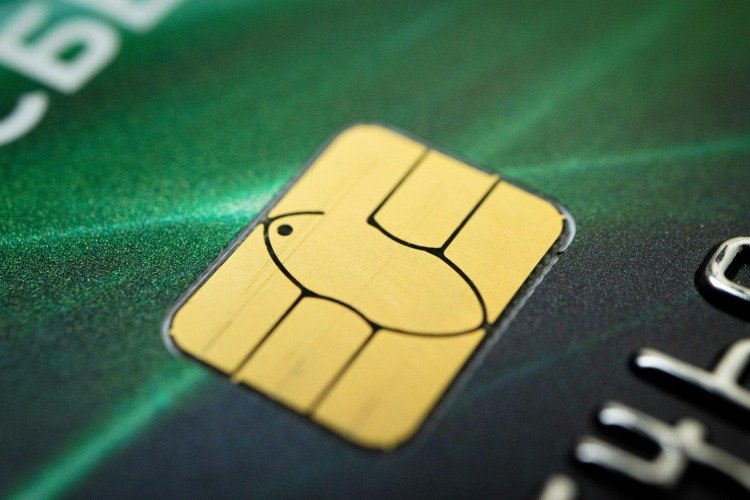
Prepaid cards are not going away. In a market chasing speed and complexity, they offer something simpler. Fixed limits, clean transactions, no link to your main account. That trick is keeping them in play, even as newer payment systems push into the same space.
Digital payments are moving fast, but not every method is moving in the same direction. Prepaid cards are still showing up in places where control matters more than convenience. They sit between cash and full banking access, which keeps them relevant in online transactions where limits and separation from a primary account carry weight.
Market Growth and Adoption Trends
Canada’s prepaid card market is not slowing down. The segment moves from $6.93 billion in 2025 to $7.56 billion in 2026, with projections pointing to $11.7 billion by 2031 at a 9.12% growth rate. Ontario alone accounts for 44.52% of that activity, while retail transactions represent just over half of total usage.
Adoption ties directly into digital behaviour. Smartphone penetration sits near 90%, and online spending remains about 25% higher than 2019 levels. Prepaid cards slot into that environment without friction, particularly in transactions where users want defined limits rather than open-ended access.
Security and Spending Control as Core Drivers
Control is the starting point. A prepaid balance is fixed, which removes the risk of overspending and keeps transactions contained within a set amount. That structure appeals to users who want separation from their main accounts, especially when moving money into online platforms.
In practical terms, prepaid methods are being used more often in environments where deposit limits are part of the decision, especially across Canadian online casinos listed on Casino ca whcih all accept fixed-value deposits through Visa, Mastercard, or Paysafecard, giving you added security and control of your spending. The setup keeps transactions contained, with funds loaded in advance and no direct link back to a primary bank account.
Integration With Digital Wallets and Contactless Payments
Mobile use is now standard. Around 44% of prepaid users store their cards in Apple Pay or Google Pay, and contactless payments account for more than 80% of card-present transactions in major Canadian cities.
That integration changes how prepaid cards are used. They are no longer tied to physical cards or one-off purchases. They operate inside mobile systems, which makes them viable for everyday transactions while still keeping the same spending limits that define their core use.
Payment Networks Expand Through Blockchain Integration
Card networks are still evolving. Visa has added five new blockchain networks, bringing its total to nine, while processing around $7 billion in annual stablecoin-linked transactions with a 50% increase quarter on quarter.
This development keeps card-based systems relevant in newer payment models. Instead of being replaced, traditional infrastructure is being extended. Prepaid cards sit inside that same framework, benefiting from wider acceptance and continued investment in payment rails.
A broader pattern is starting to show. Payment systems are not moving in one direction; they are layering new technology onto existing rails. That approach allows users to access newer tools without abandoning familiar ones, which helps explain why prepaid cards continue to hold a position alongside more complex payment options.
Web3 Payment Systems Enter the Same Space
Newer payment systems are pushing into the same territory. Shinhan Card has partnered with the Solana Foundation to test stablecoin payments, focusing on faster settlement and reduced fees in cross-border payments.
That introduces competition at a technical level, but it does not remove the role of prepaid cards. Simpler tools still hold value where clarity and limits are the priority. Stablecoin systems offer speed, but prepaid cards provide structure, and both models are now operating in parallel.
There is also a practical gap between concept and use. Stablecoin systems require wallets, network understanding, and some tolerance for technical setup. Prepaid cards remove that layer. That difference keeps them relevant for users who want straightforward access without needing to manage a more complex system.
Practical Use Across Consumer and Institutional Payments
Prepaid cards are not limited to retail use. They are used for payroll distribution, government disbursements, and gig economy payouts, where access to funds needs to be immediate without requiring a full banking setup. That structure reduces processing delays and simplifies fund delivery.
For everyday users, the same logic applies. A defined balance, immediate usability, and no dependency on credit approval keep prepaid cards active across both consumer and institutional use cases. In many cases, they act as a bridge between cash-based behaviour and digital transactions, without forcing a full transition into traditional banking systems.
Digital payments will continue to expand, with global prepaid volumes expected to move from $2.2 trillion in 2024 to $4.1 trillion by 2030 at a 10.4% growth rate. Prepaid cards are part of that expansion, not as a legacy tool, but as a controlled option that continues to fit where limits and security are still part of the decision.