
Money Transfer in Pakistan: Fast, Cheap, and Secure Options in 2026
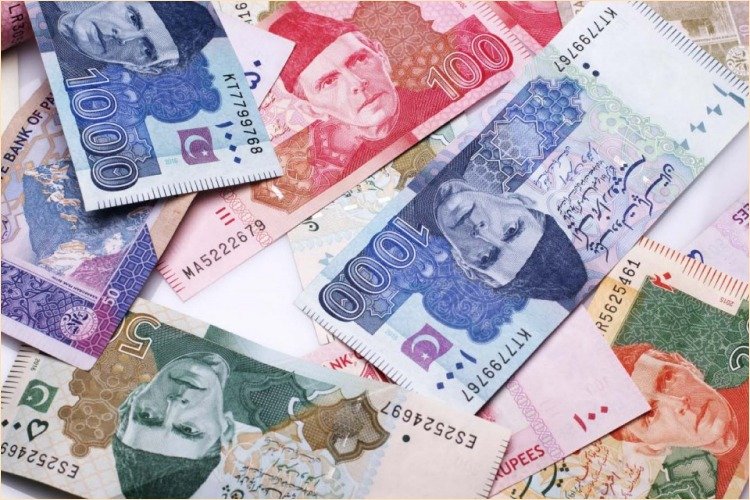
Sending money to Pakistan has never been easier. Whether you live in the UK, Germany, Saudi Arabia, or Canada, you can now transfer money through digital apps, bank wires, mobile wallets, or cash pickup points across the country. With remittances hitting a record USD 38.3 billion in FY2024-25, millions of overseas Pakistanis rely on these channels monthly to support families, pay bills, and invest back home.
This guide covers major payment and delivery methods available in 2026, breaks down costs, and helps you find the cheapest way to get more Pakistani rupees to your family. Among many providers, Ace Money Transfer stands out for its competitive rates, fast delivery, and trusted service.
Quick overview: how to send money to Pakistan
An international transfer involves four steps: choose a provider, select Pakistan as the destination, enter the amount in GBP, EUR, USD, or PKR, and pick how your recipient receives funds. Popular options include digital services and cash pickup at over 39,000 locations.

Know when your
coins move
Alerts, real-time prices, and market news — all in one app
 Point your phone camera to install
 4.8 based on 40K reviews in the App Store and Google Play


Live exchange rates hover around £1 ≈ ₨360—₨380 in early 2026, varying by provider and payout method. Mobile wallets like JazzCash and Easypaisa receive money instantly; bank transfers take 1–3 business days.
Main goals: fast delivery, low fees, and safety. Delivery methods include bank deposits, mobile wallet credits, and cash collection.
Key ways to send money to Pakistan
-
International bank transfers (SWIFT): Send directly from UK, EU, US, or GCC banks to HBL, MCB, UBL, Meezan Bank, Bank Alfalah, Allied Bank, and others. Reliable but often slower and costlier.
-
Online money transfer services: Apps like Wise offer fast, secure deposits. Remitly provides Economy and Express options, balancing speed and cost.
-
Cash-to-cash transfers: Western Union and MoneyGram let senders pay at agent counters; recipients collect PKR at partner locations.
-
Card-funded transfers: Debit or credit card payments are convenient but often incur higher fees.
-
Mobile wallets: Easypaisa, JazzCash, SadaPay, NayaPay, and bank-backed wallets like MyABL and HBL Konnect serve recipients without bank accounts.
Step-by-step: sending to a bank account in Pakistan
- Open your app or website, select Pakistan.
- Choose “bank deposit.”
- Enter the amount; see live exchange rate and cost.
- Provide the recipient’s full legal name, bank name, account number, and IBAN (required by State Bank of Pakistan).
- Complete identity verification if prompted.
- Confirm and pay via bank transfer, debit, or credit card.
Transfers via Wise take 1–2 business days; SWIFT transfers take 3–5 days. Delays may occur due to incorrect details, holidays, or compliance reviews.
Sending money to mobile wallets
JazzCash, with over 57 million users, along with Easypaisa, SadaPay, and NayaPay, is widely used. Select “mobile wallet,” enter the recipient’s mobile number, and wallet provider. Funds arrive within minutes, ideal for emergencies and daily support.
Cash pickup and over-the-counter collection
Cash pickup suits recipients lacking bank access. Choose “cash pickup,” the recipient collects PKR at partner locations such as HBL, MCB, Bank Alfalah, Allied Bank, Bank AL Habib, and exchange companies. Valid ID and transaction reference are required.
Cash is typically ready within minutes to an hour; some transfers complete in under an hour. Limits may be stricter than bank deposits.
Choosing the cheapest way
Costs include transfer fees and exchange rate markup. For example, £1,000 at £1=₨370 yields ₨370,000; at £1=₨360, only ₨360,000. Savings can reach ₨11,150 by choosing the right provider.
Tips:
-
Transfer fees range from £0 to £9.90; compare before sending.
-
Sending £300 is cheaper per pound than £120 due to fixed fees.
-
Bank transfers usually cost less than credit card payments.
-
Ria offers zero fees on transfers of $100 or more.
-
Beware of zero-fee services with poor exchange rates; check the total PKR delivered.
Understanding exchange rates
The mid-market rate is the true rate; providers add a markup. Rates fluctuate, so compare before sending. Western Union offers 1 GBP = 376.8434 PKR today; rates vary between 365.6930 and 376.8434 PKR. Markup varies by 6.65 percentage points.
Most apps lock rates for 15–30 minutes. For large transfers, use rate alerts.
Avoid illegal hawala or hundi channels despite better rates; they carry risks.
Popular sending corridors
-
UK to Pakistan: Busy route with USD 538 million sent in June 2025. Online apps dominate with competitive rates.
-
EU to Pakistan: SEPA transfers from Germany, Italy, Spain, Netherlands are often cheaper than card payments.
-
GCC to Pakistan: Saudi Arabia and UAE lead, using salary-linked remittance services and exchange houses.
-
US and Canada: USD and CAD transfers face higher intermediary fees; digital providers are often cheaper and faster.
Check country-specific rules before sending.
Transfer speeds
|
Method |
Typical Speed |
|
Mobile wallet delivery |
Seconds to minutes |
|
Cash pickup |
Minutes to 1 hour |
|
Debit/credit card to wallet |
Within minutes |
|
Online bank transfer |
1–2 business days |
|
SWIFT bank transfer |
3–5 business days |
MoneyTO transfers often complete the same day. The average GBP to PKR transfer time is 12 hours.
Supporting family and expenses
Remittances cover rent, groceries, utilities, and school fees in Karachi, Lahore, Rawalpindi, and Peshawar. Seasonal spikes at Eid, Ramadan, and back-to-school.
Regular small transfers benefit from low fixed fees on online platforms. Mobile wallets enable bill payments without branch visits.
Set recurring transfers to avoid missed payments.
Mortgages, education, investments
Overseas Pakistanis pay mortgages, property instalments, and tuition fees. Large transfers (£5,000+) may require extra documentation.
Roshan Digital Accounts let non-residents hold foreign currency, invest, and repatriate funds.
Online transfers vs banks
Banks offer safety and direct transfers, but higher fees and slower speeds. Online services provide transparent pricing and better rates for small to medium amounts.
Use banks for large, infrequent transfers; online services for regular, smaller ones.
Delivery methods in Pakistan
Choose based on the recipient:
-
Bank account: For regular income and urban access.
-
Cash pickup: For rural or unbanked recipients near partner locations.
-
Mobile wallet: For smartphone users needing instant access.
-
Card payout: Where available, convenient for online shopping.
Save the recipient’s preferred method for repeat transfers.
Example: Sending £500 monthly from London
-
Open the app, select Pakistan, and your bank account.
-
Compare rates and fees from providers.
-
Enter recipient details and save for easy future transfers.
Sending €1,000 via SEPA from Germany is often cheaper and faster than card payments.
GCC to Pakistan transfers
Pakistanis in Saudi Arabia, UAE, Qatar, Oman remit salaries monthly. Transfers are often same-day or instant for bank deposits and cash pickups. Monitor exchange rates and legal channels.
Security and fraud prevention
Use licensed banks or regulated companies compliant with anti-money laundering laws.
Verify providers are FCA-authorised or equivalent.
Beware scams asking for money to unknown parties or promising unrealistic rates.
Use two-factor authentication and strong passwords.
Hawala is illegal and risky.
Transfer limits and compliance
Providers set transfer limits based on verification level.
Higher tiers require ID, proof of address, and income.
No legal cap on inward remittances, but providers may impose operational limits.
Prepare documents for large transfers.
Fees explained
|
Fee Type |
Description |
|
Sending fee |
Flat fee (£0—£9.90) or percentage |
|
Exchange rate margin |
Markup over mid-market rate |
|
Receiving bank charges |
Some banks deduct small fees |
|
Card processing fee |
Extra cost if paying by credit or debit card |
Ria offers zero fees on transfers of $100+. MoneyTO provides zero fees and instant delivery.
Look for promo codes and first-transfer offers.
Planning regular transfers
-
Schedule recurring payments.
-
Send fewer, larger transfers to reduce fees.
-
Set rate alerts.
-
Track amounts sent and fees.
-
Update recipient details as needed.
Special occasions and emergencies
Remittance demand rises before Ramadan, Eid, and weddings.
Instant mobile wallet and cash pickup help in emergencies.
Check promotions and verify recipient info before urgent transfers.
Comparing providers
Consider exchange rates, fees, speed, delivery methods, and user reviews.
Test with small transfers first.
Revisit comparisons yearly.
Digital wallets and fintech trends
Pakistan’s digital payments grow rapidly. JazzCash has 57 million users; Raast processed 1.28 billion transactions in 2025.
Branchless banking expands with Easypaisa, SadaPay, and NayaPay.
Remittances increasingly settle into wallets or connected bank accounts.
Challenges: smartphone access, digital literacy, Urdu support.
Help the family set up wallets for faster future transfers.
Managing received funds wisely
-
Separate transfers into bills, savings, and discretionary spending.
-
Automate utility and mobile payments.
-
Open formal bank accounts.
-
Avoid unnecessary currency exchange.
-
Communicate regularly about financial goals.
FAQs
Minimum/maximum amounts? Most providers accept £1 or $1. No legal cap, but providers set limits and documentation requirements.
Tracking? Providers assign references; statuses are visible in apps.
Failed transfers? Refunds take 3–5 days; fees depend on the provider.
Tax? Personal remittances are generally not taxed.
Foreign currency? Roshan Digital Accounts allow holding USD, GBP, and EUR.
Required details? Recipient’s name, IBAN or phone number, bank or wallet info.
Summary
To send money to Pakistan simply, cheaply, and safely:
-
Compare exchange rates and fees before sending.
-
Choose a delivery method fitting your recipient.
-
Use regulated providers only.
-
Prefer online services with bank-funded payments and wallet or bank delivery.
-
Verify details and keep records.
Ace Money Transfer offers competitive rates, easy transfers, low fees, and multiple delivery options. Digital payments infrastructure improves yearly, increasing value for your family.