
Blockchain Settlement For Sports Betting Platforms
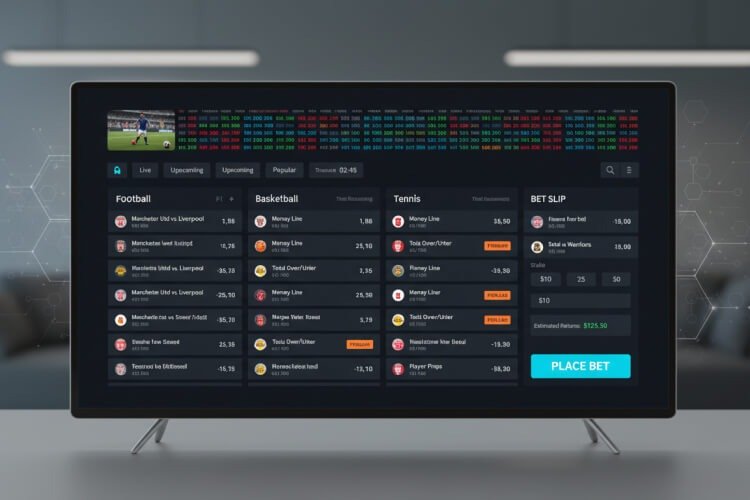
Blockchain technology offers a new way to manage transactions and record outcomes in sports betting. Its core features, like decentralization and immutability, can improve trust and transparency. Many individuals engage with sports betting platforms, seeking reliable and transparent systems for their wagers and payouts. For example, 1xbet represents a type of digital platform where users place bets on various sports events. Integrating blockchain technology into such platforms can enhance the settlement process by providing an immutable record of all transactions.
This means that every bet placed, every outcome recorded, and every payout made is permanently stored on a public ledger, which can be independently verified. This level of transparency and security helps build greater trust among users, as they can confirm the fairness of the system and the accuracy of their winnings, reducing disputes and increasing confidence in the platform’s operations.
Transparency and immutability
One of the main benefits of blockchain is its ability to create a transparent and immutable record. Every bet, once placed and recorded on the blockchain, cannot be changed or deleted. This provides a verifiable audit trail for all transactions. Players can independently check the status of their bets and the settlement process, ensuring that outcomes are fair and that payouts are accurate. This eliminates the need for players to solely trust the platform operator.
Decentralized settlement
Traditional betting platforms rely on a central authority to settle bets. Blockchain can enable decentralized settlement through smart contracts. A smart contract is a self-executing agreement with the terms of the bet directly written into code. Once the outcome of a sports event is confirmed by reliable data sources (oracles), the smart contract automatically settles the bets and distributes winnings without human intervention. This reduces delays and potential for error.
Enhanced security
Blockchain technology inherently offers strong security features. The distributed nature of the ledger means there is no single point of failure that can be exploited by malicious actors. Cryptographic hashing secures each transaction, making it extremely difficult to tamper with records. This robust security infrastructure protects both player funds and the integrity of the betting process.
Key advantages of blockchain for sports betting settlement:
-
Transparency: All transactions and bet outcomes are recorded on a public, verifiable ledger, increasing trust.
-
Immutability: Once recorded, data cannot be altered or deleted, providing a permanent audit trail.
-
Decentralization: Reduces reliance on a single central authority, minimizing risks of manipulation or downtime.
-
Automated Settlement: Smart contracts can automatically process payouts based on verified event outcomes, speeding up the process.
-
Enhanced Security: Cryptographic security and distributed network make tampering with records extremely difficult.
-
Reduced Disputes: Clear, verifiable records minimize disagreements over bet outcomes and payouts.
Faster payouts
With smart contracts automating the settlement process, payouts can be significantly faster than on traditional platforms. Once an event’s outcome is confirmed, winnings are automatically distributed to players’ blockchain wallets. This eliminates manual processing times and allows players to access their funds more quickly.
Reduced operational costs
By automating many aspects of bet settlement and record-keeping, blockchain can help reduce operational costs for betting platforms. Less manual intervention means fewer administrative tasks and lower overheads. These savings can potentially be passed on to players through better odds or lower fees.
Regulatory compliance and auditing
Blockchain’s transparent and immutable nature can also assist with regulatory compliance. Regulators can easily access and audit transaction records on the blockchain, ensuring that platforms are operating fairly and legally. This simplifies the auditing process and provides a clear record for oversight bodies.

Challenges and considerations
Despite its benefits, implementing blockchain for sports betting settlement comes with challenges. Scalability is a concern, as high transaction volumes can strain some blockchain networks. Regulatory frameworks are still evolving to accommodate this technology. User adoption also requires education, as many players may not be familiar with blockchain wallets or cryptocurrencies.
Future outlook
The integration of blockchain technology into sports betting platforms is still in its early stages but holds significant promise. As blockchain technology matures and regulatory clarity increases, more platforms may adopt these solutions. The goal is to create a more secure, transparent, and efficient betting environment that benefits both operators and players.
Final thoughts
Blockchain technology offers substantial improvements for sports betting settlement, primarily through enhanced transparency and security. The immutable nature of the ledger ensures that all transactions and outcomes are verifiable, building trust between platforms and players. Automated settlement via smart contracts can significantly speed up payouts and reduce operational costs, creating a more efficient system.
However, widespread adoption faces hurdles, including scalability issues for high transaction volumes and the need for clearer regulatory frameworks. Educating users about blockchain wallets and cryptocurrencies is also essential for broader acceptance. As the technology matures and these challenges are addressed, blockchain has the potential to redefine fairness and reliability in the sports betting industry, benefiting all participants with a more secure and transparent experience.