
Regulatory Changes Shaping How Crypto Casinos Operate
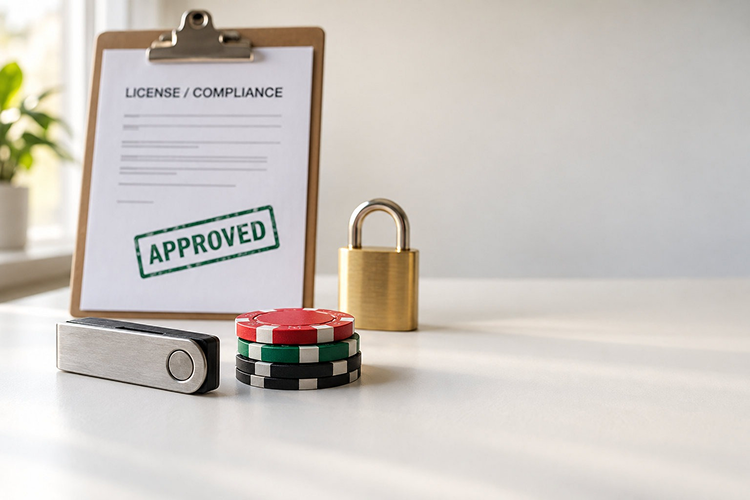
Crypto casinos are increasingly affected by evolving regulations and licensing rules, with compliance and consumer protections varying depending on operational models, from traditional wallet-based sites to blockchain-integrated platforms such as sportSzino.
The regulatory environment for crypto casinos is defined by shifting legal requirements and technical innovations. What constitutes a crypto casino may vary: some platforms accept cryptocurrency deposits and withdrawals, while others are built on blockchain technology with onchain gameplay and fund management. Users encounter different approaches, from simple wallet-based services to platforms that offer stablecoins or use decentralized protocols, including that platform.
Key areas of regulatory scrutiny
Licensing is central in many regions. Even decentralized offerings are often expected to comply with specific standards, requiring operators and suppliers to meet suitability checks. Licensing can cover platforms offering games of chance or those with custody of user funds, regardless of whether funds are in fiat currency or crypto.

Know when your
coins move
Alerts, real-time prices, and market news — all in one app
 Point your phone camera to install
 4.8 based on 40K reviews in the App Store and Google Play


KYC and AML requirements differ between jurisdictions and have become stricter in some places across payment methods, including blockchain use. Operators may be required to carry out identity verification and monitor wallet activity, depending on local rules. Regulators are also considering standards for payout transparency, withdrawal processes, and dispute management, which affect user protections.
Issues around stablecoins, payments, and compliance
Stablecoin use in crypto casinos has prompted questions about reserves and redemption systems. Some authorities may treat stablecoin payment channels as “value transfer,” leading to additional compliance needs. To counter risks, platforms may use wallet screening and risk reviews to limit exposure to high-risk or sanctioned activities.
Compliance measures often depend on custody models. Platforms holding user funds are commonly expected to keep transaction records and reply to lawful requests. Non-custodial models, where users control their funds, may still need to track activity or prove fund provenance if interacting with regulated financial systems.
Restrictions on advertising and cross-border access
Advertising rules pose further challenges for crypto casinos. Many regions restrict incentives, affiliations, and promotional content that might encourage unsafe gambling or understate crypto risks. Informational materials must not become direct encouragement, especially in places where advertising is broadly defined.
Despite the ability to serve global users, operators often use geo-blocking and jurisdiction checks to avoid breaching local rules against unlicensed or restricted crypto gambling. Tools like IP filters and localized onboarding are widely used for legal compliance and risk management.
Emerging trends and the path ahead
As authorities continue to update guidance, there may be more focus on AML controls, clearer rules for stablecoin use in gaming, and stronger user rights in some markets. Discussions remain about how to balance innovation with player protection and system transparency. Ongoing regulatory changes will play a major role in how crypto casinos operate and compete.