
Prediction Markets Are Becoming a New Way to Trade Sports Outcomes
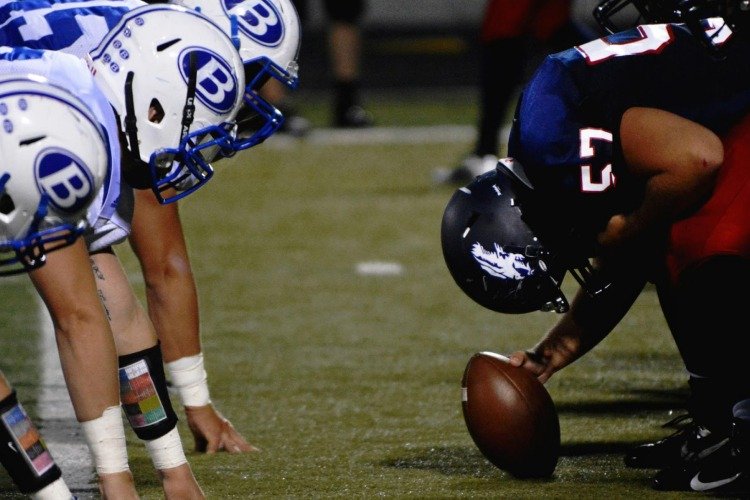
For decades, sports fans have relied on bookmakers to tell them what a result is worth. A growing number of traders are now putting their own money behind those forecasts instead. The result is a fast-growing market that sits somewhere between investing, speculation, and traditional sports betting.
Prediction markets have spent years sitting on the edge of mainstream finance, attracting attention during elections and major political events. Sports are now driving much of the growth. Monthly prediction-market volume climbed from less than $5 billion in September 2025 to roughly $24 billion in April 2026, and sports contracts account for more than 60% of activity. That growth has become large enough that regulators, sportsbooks, and traders are all paying attention to the same question: where do these markets fit in the wider sports ecosystem?
Sports Forecasting Starts Looking More Like Financial Trading
Traditional sportsbooks publish odds and adjust them as money enters the market. Prediction markets arrive at similar conclusions through a different process. Participants buy and sell contracts tied to real-world outcomes, with prices moving as expectations change.
Sports have become the largest category in many of these markets. Bernstein Research estimates that sports contracts account for more than 60% of prediction-market volume, which helps explain why football, basketball, and baseball now sit alongside political and economic events on many trading platforms. For somebody already familiar with odds, futures markets, and public betting trends, the logic is not difficult to follow. The difference is that the market itself becomes the price discovery mechanism.
That dynamic creates an environment that feels familiar to anybody who has watched betting markets react to injury reports, team news, or major transfers. Information enters the system, participants respond, and prices adjust accordingly. The technology may be different, but the underlying behaviour shares many similarities with established sports wagering markets.
Trading Volume Suggests the Market Is Moving Beyond a Niche Audience
The numbers tell a clear story. Monthly prediction-market trading volume stood below $5 billion in September 2025, then climbed to approximately $24 billion by April 2026.
Growth on that scale attracts attention from traders who may never have considered prediction markets before. Election contracts helped introduce many users to the concept, but sports brought a much larger audience into the conversation.
A baseball season runs for months, football generates weekly opportunities, and championship races create constant activity. That steady flow of events gives markets fresh information every day, which keeps participation levels high.
Competition for New Users Extends Beyond Traditional Sportsbooks
Sportsbooks spend heavily to attract customers. Welcome bonuses, odds boosts, and promotional campaigns have become standard tools in a highly competitive market. Bettors regularly compare incentives before opening an account, especially when futures markets, player props, or same-game parlays are involved.
Crypto platforms have followed a similar pattern. Exchange bonuses, referral campaigns, and token incentives are all designed to encourage early participation in increasingly crowded markets. Prediction-market operators now find themselves competing for attention in much the same way, particularly as crypto traders become more comfortable using market-based tools to express views on future events.
Prediction-market operators increasingly face the same challenge. New participants entering sports-event markets often compare contract selection, trading activity, and onboarding incentives before committing funds, particularly when several platforms are listing the same championship, futures, or qualification markets. In that environment, welcome offers structured similarly to Kalshi’s promo code have become another way to attract early trading activity.
Regulators Are Now Deciding Where Prediction Markets Fit
The regulatory discussion has become more important because the sector is growing so quickly. The Commodity Futures Trading Commission recently proposed formal rules for sports-event contracts, including restrictions on certain markets that regulators believe could be vulnerable to manipulation.
That debate sits at the centre of a larger question. Sportsbooks operate under state-level regulation, whereas prediction markets fall under a federal framework. Those two systems now overlap in several areas, particularly when contracts focus on sporting outcomes. The fact that regulators are developing dedicated rules shows that prediction markets have reached a size where they can no longer be treated as a niche product.
Prediction Markets Are Expanding Beyond Sports
Sports currently dominate activity, yet the concept extends much further. Political events, economic releases, and corporate developments all create opportunities for markets built around future outcomes. That wider use case helps explain the growing interest from crypto audiences.
Regulatory questions continue to emerge as prediction markets expand into new areas, including debates involving lawmakers and public officials. At the same time, market participants are applying prediction-market logic to technology companies and future valuations, including speculation around a potential OpenAI public offering. Sports remain the biggest draw, but they are no longer the only story.
Market Pricing Has Become Part of the Sports Conversation
Prediction markets and sportsbooks now operate side by side, each offering a different way to think about future outcomes. One relies on bookmaker pricing. The other relies on market participants buying and selling contracts as information changes.
Trading volume increased from less than $5 billion per month to roughly $24 billion per month within seven months. Regulators are actively developing new rules, and sports contracts account for most market activity. Those figures suggest prediction markets have secured a place in the modern sports landscape, and their influence is still growing.