
Why Does Real-Time Market Data Matter in Online Trading?
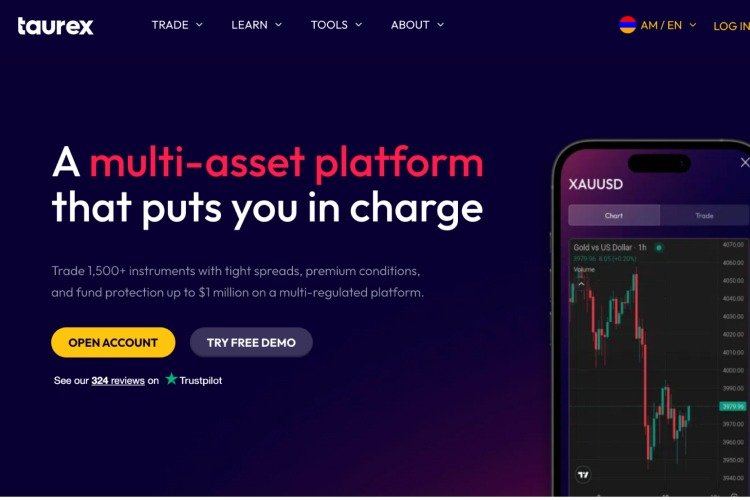
Online trading moves fast, and traders need current information to make smart choices. Real-time market data gives traders live updates on prices, trade volumes, and other market indicators as they happen. Without this immediate access to information, traders risk making decisions based on outdated numbers that no longer reflect actual market conditions.
Real-time data matters because it allows traders to respond to price changes instantly, manage risk better, and execute trades at the right moment. The difference between delayed data and live data can mean the gap between profit and loss. Modern traders rely on this constant flow of information to track price movements across stocks, currencies, commodities, and other assets throughout the trading day.
This article explains how real-time market data affects different aspects of online trading. It covers how live information helps traders react to sudden price shifts, supports automated strategies, reduces risk, and improves the timing of buy and sell orders.
Enables Immediate Reaction to Market Price Changes
Real-time market data gives traders the ability to respond within seconds of price movements. Markets can shift rapidly based on economic news, political events, or sudden changes in supply and demand. Traders can visit this page for live data feeds and act on these movements before prices move further.
Delayed data can lag by 15 to 20 minutes, which creates a significant disadvantage. A stock or currency pair might gain or lose value during that delay. By the time a trader sees the information, the opportunity may have passed or the risk may have grown.
Real-time information allows traders to set precise entry and exit points. They can monitor price changes as they happen and adjust their positions accordingly. This quick response time can mean the difference between profit and loss in fast-moving markets.
Day traders and scalpers rely especially on instant data. These traders make multiple trades throughout the day based on small price movements. Without real-time updates, their strategies would not work effectively.
Supports Algorithmic and High-Frequency Trading Strategies
Algorithmic and high-frequency trading systems depend on real-time market data to work correctly. These computer programs execute trades in fractions of a second based on specific rules and market conditions. Without instant data feeds, the algorithms cannot identify price changes or respond fast enough to make profitable trades.
High-frequency trading requires ultra-fast access to market information. Traders use advanced computers and special algorithms to spot tiny price differences that last for mere milliseconds. However, these strategies only succeed if the data arrives with minimal delay. Even a small lag can mean the difference between profit and loss.
The algorithms analyze live price movements, trade volumes, and other market factors to make split-second decisions. They need accurate, up-to-date information to execute thousands of trades per day. Large financial institutions rely on these automated systems to stay competitive in modern markets.
Real-time data feeds give algorithmic traders the speed they need to capitalize on brief market opportunities. The technology processes vast amounts of information quickly and acts on it before conditions change.
Provides Accurate Risk Management Data
Real-time market data gives traders the information they need to protect their investments. Traders can track their positions as market conditions change and adjust their strategies quickly. This immediate access helps them spot potential problems before losses grow too large.
Financial institutions rely on up-to-the-second data to monitor their exposure across multiple markets. They can see exactly how much risk they carry at any moment. For example, if a stock price drops suddenly, traders receive instant alerts that allow them to act fast.
Stop-loss strategies work better with real-time information. Traders set automatic sell points that trigger once a price hits a certain level. Without current data, these protective measures lose their effectiveness.
Risk assessment becomes more accurate as traders access live market conditions rather than delayed information. They can measure volatility, track sudden price shifts, and respond to unexpected market events. This level of awareness helps both individual traders and large institutions maintain better control over their financial exposure.
Facilitates Effective Monitoring of Price Volatility
Real-time market data allows traders to track price changes as they happen. This immediate access helps them spot sudden shifts in stock values or market conditions. Without current information, traders might miss important moments that affect their positions.
Price volatility refers to how quickly and dramatically asset values change. Markets can move rapidly based on news, economic reports, or large trades. Real-time data feeds deliver these price movements instantly, so traders can respond quickly.
Traders use this information to adjust their strategies when prices swing unexpectedly. For example, if a stock drops sharply within minutes, real-time data alerts them to the change. They can then decide whether to sell, hold, or buy more based on current conditions rather than outdated information.
The ability to monitor volatility in real time also helps traders manage risk better. They can set alerts for specific price levels and react when those thresholds are reached. This level of awareness proves valuable in fast-moving markets where delays can lead to significant losses.
Improves Timing for Buy and Sell Decisions
Real-time market data gives traders the exact information they need at the moment they need it. Prices in online markets change every second. A trader who sees these changes as they happen can enter or exit positions at better price points.
Delayed data can cost money. For example, a stock price shown 15 minutes late might be very different from the actual current price. This gap means a trader could buy at a higher price than expected or sell at a lower one.
Intraday traders depend on live data to spot price movements and act fast. They open and close positions within the same day, so every second matters. Real-time feeds help them execute trades at the right moment.
Market conditions shift quickly due to news, economic reports, or sudden demand changes. Traders who access live data can respond to these events right away. This speed allows them to take advantage of short-term opportunities that others might miss.
Conclusion
Real-time market data gives traders the information they need to act fast and make smart choices. Access to live prices, volume changes, and market trends helps people spot opportunities before they disappear. Traders who use up-to-date information can better manage risk and respond to sudden market shifts. As technology continues to advance, real-time data remains a key tool for anyone serious about online trading success.