
Vetting a Crypto Casino Takes the Same Discipline as Vetting a Chain
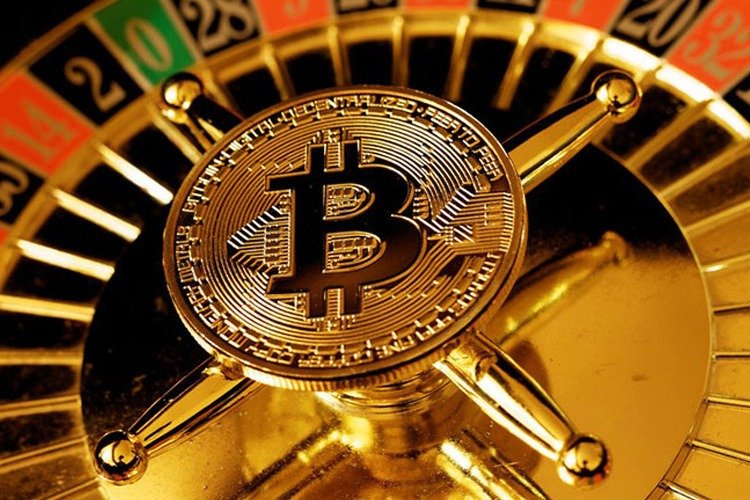
Every cycle, someone asks the same question in a different wrapper: which crypto casino is actually safe to use? The honest answer is that the question is structured wrong. Nobody asks which blockchain is safe in the abstract, because the answer depends on the validator set, the bridge design, the audit history. A casino accepting USDT or SOL deserves the same layered scrutiny, and most people give it none of that. They check whether the site looks professional and whether the welcome offer is generous, then deposit. That is roughly the diligence level of buying a token because the chart looks good.
The licence tells you who to complain to, not whether you'll win
A licence is a jurisdiction claim, and jurisdictions differ enormously in what they actually enforce. A Malta Gaming Authority licence carries real dispute machinery behind it, including approved alternative dispute resolution bodies a player can escalate to. A Curaçao licence, still the default for a large share of crypto-native operators, historically offered far thinner recourse, though the 2024 restructuring of that regime is slowly changing the picture. None of that makes a Curaçao-licensed casino automatically untrustworthy. It means the licence line is a risk input, not a checkbox, and the size of your first deposit should scale with it the same way position size scales with a token's liquidity depth.

Know when your
coins move
Alerts, real-time prices, and market news — all in one app
 4.8 based on 40K reviews in the App Store and Google Play


The two-minute version of this check: pull the licence number from the footer and look it up directly on the regulator's own register rather than trusting the badge. Plenty of sites display a number that resolves to a different operator, or to nothing. That single lookup ends a surprising number of evaluations on the spot, before a wallet ever gets connected.
A casino ranking is a dataset, or it's an ad unit
Crypto readers already apply this instinct to token rankings, since a coin sorted by 24-hour volume on a site that also sells volume is not a signal worth trusting. Casino ranking pages deserve the identical skepticism, and most fail it. A page of best online casinos is only as good as the testing behind it: who actually requested a withdrawal, on what stake, how complaint volume was weighted, and when the page was last verified. A list that has shown the same ten brands in the same order for two years is not a ranking; it is a rate card wearing a ranking's clothes. Cross-reference any shortlist against a source that publishes its method and dates its checks, the same way you would treat a research desk that shows its on-chain data versus one that just states a price target.
Withdrawal behavior is the only on-chain-style proof available
Crypto users are trained to trust verifiable data over marketing copy, and a casino's payout history is the closest thing to that verification this industry offers. Before depositing anywhere, search the brand alongside the word withdrawal and read complaints for a pattern rather than a single verdict. One angry post is noise. Twenty describing an identical sequence, where a KYC request materializes only after a win clears, is a pattern worth weighting heavily.
Tommy Reimers, Founder & Editor-in-Chief at Search-Casino, said his team treats every casino review the same way an auditor treats a new contract: deposit small, verify identity immediately rather than waiting, then request a withdrawal within the first week rather than after a big win. “The first cash-out is the closest thing this industry has to an on-chain receipt. Operators that pay a small first withdrawal quickly tend to keep paying. The ones that suddenly need three more documents at $40 rarely get more cooperative once the number is $4,000.”
Where the trail usually goes cold
A few findings should end the evaluation outright rather than get filed as a yellow flag. A licence number that fails to resolve on the regulator's own register. Bonus terms that exist as a marketing summary with no linked full document. Support that won't give a straight answer about withdrawal limits before any money has moved. Each of those is the casino equivalent of a contract with no verifiable audit and a team that won't answer basic questions about the multisig, and crypto users already know what to do when that shows up anywhere else in this space: walk.
None of this is exotic due diligence. It's the same checklist crypto users already run on a new protocol, just pointed at a different kind of counterparty risk. The house edge on the games themselves is a known, disclosed cost, the same way a swap fee is known before you confirm the transaction. The platform risk sitting underneath it is the part that's actually avoidable, and it's avoidable in exactly the way most platform risk is: by checking before you commit funds, not after.
Keep it entertainment: set a budget before depositing anywhere, never chase losses, and if it stops feeling like a game, free confidential support is available at BeGambleAware (18+).