
The Luxury Aesthetic: How Modern Gaming Sites Reflect Hollywood Glamour
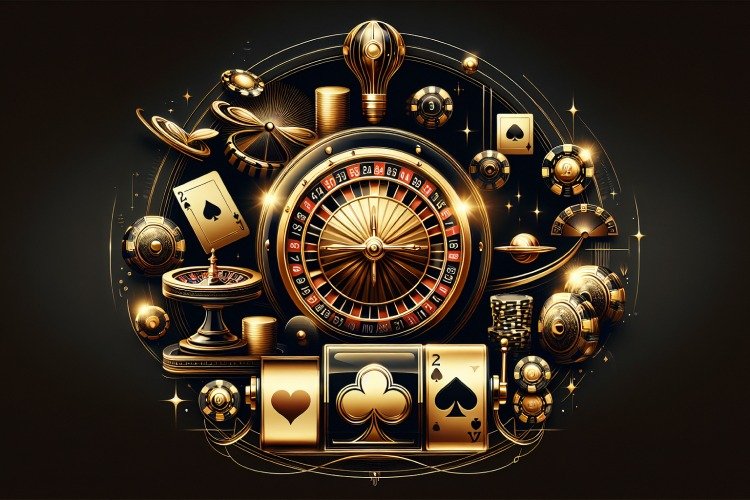
The red carpet is no longer reserved for film premieres. It is now digitally rolled out across the web, guiding players into a world where the thrill of chance meets the spectacle of celebrity. Modern gaming platforms have undergone a radical transformation, moving away from their image as dark rooms with gaudy neon lights to an opulence worthy of the big screen. For those navigating this new landscape, a prudent and common question arises: is Win Spirit casino legit? This inquiry reflects the scrutiny a celebrity faces under the flashes of the paparazzi—reputation is paramount.
For many, the answer lies in the experience itself, an experience meticulously designed to echo Hollywood glamour and the exclusive allure of international star culture. It is a digital masquerade ball where everyone can have a taste of the spotlight.
Key Highlights: The Economy of Glamour
The convergence of entertainment, luxury aesthetics, and digital gaming is not just a simple trend; it is a multi-billion dollar reinvention of leisure. The data reveals a story of aspiration and spectacle:

Know when your
coins move
Alerts, real-time prices, and market news — all in one app
 Point your phone camera to install
 4.8 based on 40K reviews in the App Store and Google Play


-
A 2023 market analysis predicts that the global online gaming industry’s investment in high-end user interface (UI/UX) and cinematic branding will exceed $850 million by 2026.
-
“High-roller” tournaments on luxury-themed platforms now regularly feature prize pools exceeding $5 million, rivaling the production budgets of independent films.
-
Consumer surveys indicate that 72% of new users cite “visual appeal and atmosphere” as the primary factor in choosing a site, even before immediate bonus offers.
-
The use of orchestral scores and original cinematic soundtracks on premium platforms has increased by 310% since 2020, borrowing directly from film production techniques.
-
Platforms that employ a cohesive “lifestyle brand” narrative, similar to celebrity endorsements, report a player retention rate 45% higher after the first month.
-
In 2024, the most successful new game launches were not based on traditional fruit symbols, but on licensed properties from major movie studios and television series.
From the Big Screen to the Personal Screen
The visual language of these sites is borrowed directly from Hollywood’s most decadent eras. Think of Art Deco flourishes reminiscent of The Great Gatsby, sleek minimalist interfaces that wouldn’t look out of place in a Tony Stark penthouse, or the muted opulence of a 1940s film noir. This is deliberate. It is environmental storytelling. When you log in, you aren’t just accessing a library of games; you are stepping onto a film set.
The lighting is dramatic. The animations are fluid, like cinematic camera movements. Even the sound of a virtual coin falling is designed to mimic the satisfying clink of wealth, a soundbite of success. This curated environment performs a magic trick: it transforms the act of playing slots into a performance of personal luxury. You aren’t just spinning reels; you are playing the lead role in your own feature-length film toward fortune.
The Paparazzi Race for the Jackpot
Celebrity culture thrives on visibility, exclusivity, and dramatic revelations. Modern gaming aesthetics have adopted this script entirely. Consider the humble jackpot. It is no longer just a number scrolling in a corner. It is a front-page event. Progressive jackpots are announced with the fanfare of a breaking news media alert, their climb tracked with the intense speculation usually reserved for a star’s chances at the Oscars. The moment a player wins big, the platform often explodes in a celebration worthy of a premiere after-party: virtual confetti, triumphant fanfares, a spotlight on the winner’s alias. This creates a community of spectators, all watching the “red carpet” of winners, wondering who will be the next revelation of the evening.
Bonuses as Exclusive Invitations
In the world of Quebec and international celebrities, access is a currency. The velvet rope, the private suite, the invitation-only gala—these symbols define status. Online platforms translate this concept into their promotional structures. A welcome bonus is your VIP pass. Loyalty programs are tiered like exclusive clubs, with names such as “Elite” or “Icon,” offering increasingly luxurious perks. High-stakes tournaments become the equivalent of a competition at the Cannes Film Festival, where only the most dedicated (or luckiest) compete for the top prize.
These programs are not purely transactional; they are narrative devices. They make the player feel privileged, chosen, and part of an inner circle. It is a powerful psychological lever, tapping into the same desire that drives people to follow every move of their Montreal-born actor or favorite international singer—the desire to be close to the epicenter of glamour.
The fusion is complete. Today’s premier gaming destinations focus less on raw digital functionality and more on creating a sustained ambiance of aspirational luxury. They understand that the player, much like the moviegoer or celebrity watcher, seeks an escape to a more exciting and beautiful version of reality. This is not accidental. It is a sophisticated application of cinematic design principles and star narrative dynamics to the digital realm. The conclusion is clear: in the competition for attention, the platform that best produces its own Hollywood-style production—with its drama, glamour, and constant promise of stardom—wins its audience. The game is played on the screen, but the true spectacle is the world built around it.