
Online Platforms Dedicated to Sports and Competitions

The noise from the stadium fades away, and you get the notice that goals are being scored in Madrid. Boston buzzer-beater shots. Hundreds of millions of people are using the exact same digital dashboard for sports, and the real-time video and community feed with live sports data are all provided by online sports betting websites. Online sports betting isn’t just something you do as an added feature now. It has become the way to sit in the main seat of the arena. They’ve created the tech and created the environment to support it.
The Engines Behind Instant Match Data
As a result of the increasing demand for live data feeds, many companies (Stats Perform & Opta) have set up analyst teams in football stadiums and automated systems to collect and analyze live match events such as passes, goals, tackles, and rebound attempts. Data from live events is captured within one minute in major European football leagues and is made available through API’s to media houses, betting platforms, and gambling sites (Turkish: kumar siteleri), where live odds and in-play markets are generated based on instantaneous data. The speed at which this data is available is the reason that metrics such as “expected goals” become available instantly throughout a match.
Similar optical tracking systems used in basketball generate advanced metrics, including player efficiency ratings and detailed shot distribution maps inside professional arenas. While both systems may utilize the same raw movement data, each system transforms this data into meaningful and readable data metrics using thousands of raw data points per game. While speed is essential, the ultimate goal is accuracy, and therefore, most tracking systems rely on human data evaluators and statisticians to review and confirm official statistics before they are finalized.
From Broadcast to Browser: Streaming Without Switching Screens
Modern sports technology has begun to integrate the use of data and video, which enables customers to access data and video without switching tabs. This type of feature is now available in most major sporting events, as well as UEFA tournaments and domestic basketball league events. Websites now have integrated video players.
These features include:
-
Multi-angle video and live stat replays.
-
Video streams in a separate ’window’ so you can access and view betting lines and standings while simultaneously viewing the video.
-
Video highlight and game event synchronization.
-
Video quality adjusts to available bandwidth.
As a single sports arena integrated all sporting activities in one place. It also integrated sports coverage, social media, and data analytics into a single platform to provide a seamless experience for the users.
Where Fans Become Competitors, Not Just Viewers
Modern sports websites are no longer simply about showing results, but they also create an environment where individuals can engage with the sporting event. With modern sports websites, users are no longer just passive viewers; they use their imagination to develop teams, make predictions based on real-time stats from the match and use verified performance data to make decisions. The popularity of engaging fantasy games, like the FPL (Fantasy Premier League), shows that there are millions of users who create their own fantasy team every season. It is clear that the majority of users do not want to be limited to a 90-minute view of the sporting event.
The change in how users interact with the sporting event, through a combination of gaming and competitive features, has created an environment where fans of the sporting event no longer want to merely view a highlight reel. Fans now want to test their knowledge of the game and compete against other fans around the world. The platform that allows users to play and participate in the game creates a new type of fan, one that is not simply a spectator, but a player. Users are no longer simply watching the game, they are playing and participating in the game.
Fantasy Leagues That Mirror Real-World Pressure
The fantasy game ecosystem of the NFL mirrors the real-world game of football. Millions of players build their squads and lock in lineups before kickoff, knowing one late injury update can change everything. Many fans who already follow stats on platforms like Melbet giriş say the appeal is similar there too, because the site offers detailed match data, quick access to markets, and smooth navigation that helps users react fast to breaking news. They must decide who to start or bench, and those calls can define an entire season. The same strategies apply in other structured fantasy formats, where limited chips must be carefully planned over weeks, not wasted in one round.
The significance of deadlines is clear; missing the substitute window is a matchday operational error that can lose the club global ranking points. Fans can analyse rules and metrics that influence decisions in the game, including expected goals, expected assists, and player heat maps. Fans study metrics almost like a club’s internal analyst. As this trend continues, the line between supporter and amateur tactician continues to blur, as that responsibility creates users each matchday.
Live Chatrooms That Erupt During Decisive Moments
When the live goal is scored, the chat is bombarded with messages before the goal is even replayed. The host of the live game integrates a chat function that allows users to discuss the game, just like in a stadium. Live chat is almost like a digital stadium, where thousands can watch and react.
In chats for popular games, users can use
-
Chat events that correlate with live game events
-
Verified moderator badges to combat misinformation
-
Reaction emojis to respond to game events
-
Polls to suggest who the next player to score in the game is
These features transform solo viewing into a shared event. During the World Cup knockout phases, chat activity clearly demonstrated that shared emotions far outweighed the statistical outcome. Unlike traditional broadcasting, the emerging chats in games incorporated the drama into the experience.
Built for Thumbs: The Mobile-First Revolution
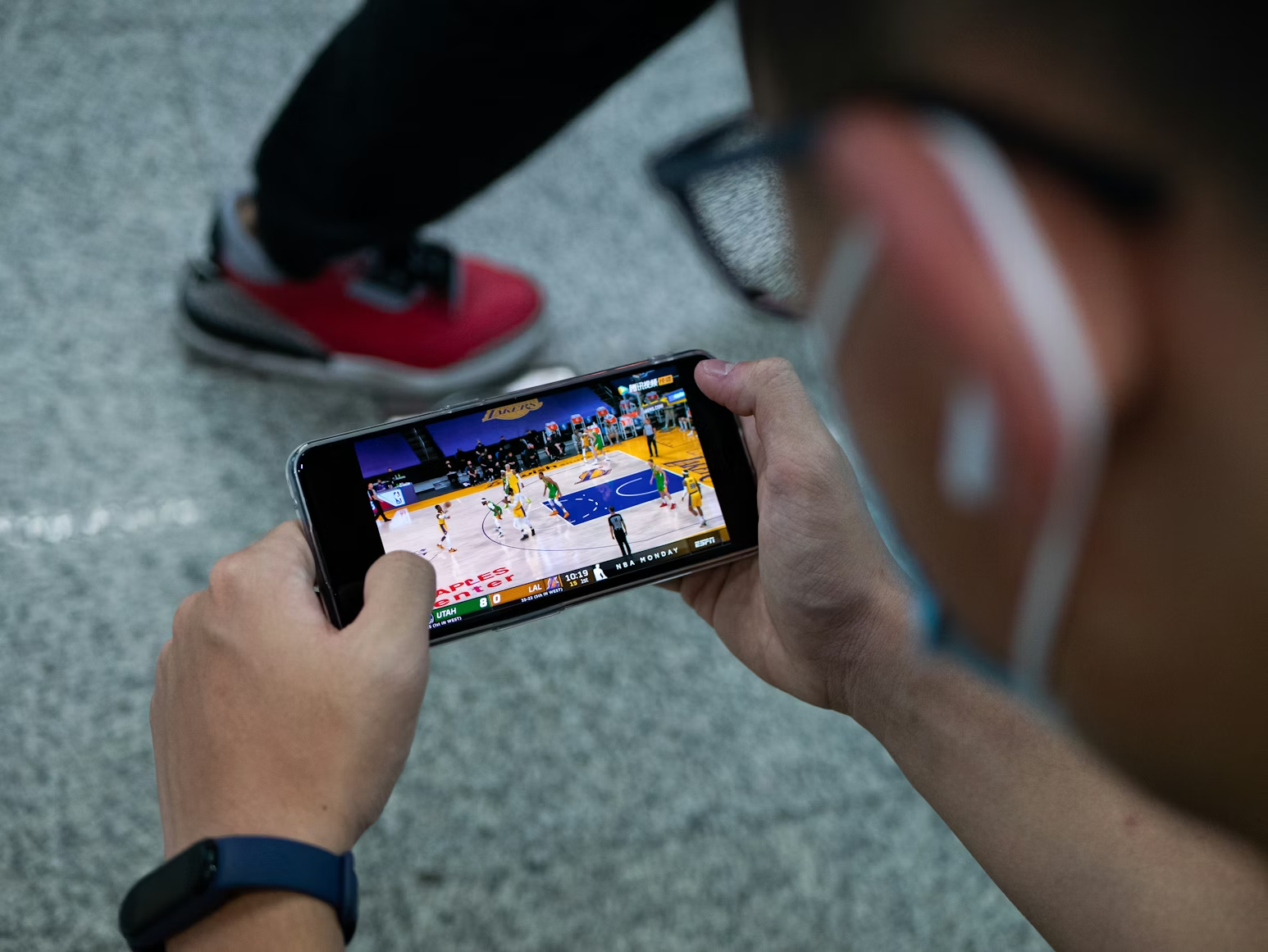
As soon as the referee blows the whistle, millions will reach for their mobile devices, not their televisions. For the first time, mobile traffic is surpassing desktop traffic on virtually all major sporting events. This has been particularly evident during the Super Bowl and Champions League semifinals. Developers are designing match dashboards for 2-second load times on 4G. Matches are vertically scrolling, and single-thumb scrolling is prioritized. Developers are also tracking tap heat maps to optimize button locations and friction for live updates.
A typical mobile layout focuses on speed and clarity rather than visual overload:
|
Feature |
Why It Matters on Mobile |
|
Sticky live score bar |
Keeps match status visible while scrolling |
|
One-tap bet or fantasy swap |
Reduces delay during fast events |
|
Dark mode |
Limits eye strain during night games |
|
Auto-refresh feed |
Eliminates manual reloads on weak signals |
These adjustments are not cosmetic upgrades; they respond directly to usage data collected during high-traffic tournaments. When engagement peaks, simplicity wins.
Security Under Stadium-Level Traffic
When a title is determined in stoppage time, the resulting traffic spikes can be compared to those of a major retail event. During these moments, the relevant platforms use distributed servers and real-time load balancing to avoid crashes. When millions of users log in at the same time, their accounts remain protected through the use of encryption and two-factor authentication. Withstanding pressure demonstrates reliability. Fans remain unwavering even after the final whistle, provided their personal information remains secure, and the scoreboard does not update with a noticeable delay.