
How VIN Decoders Help Stop Auto Fraud in the Vehicle Market
VIN Decoder as a Line of Defense
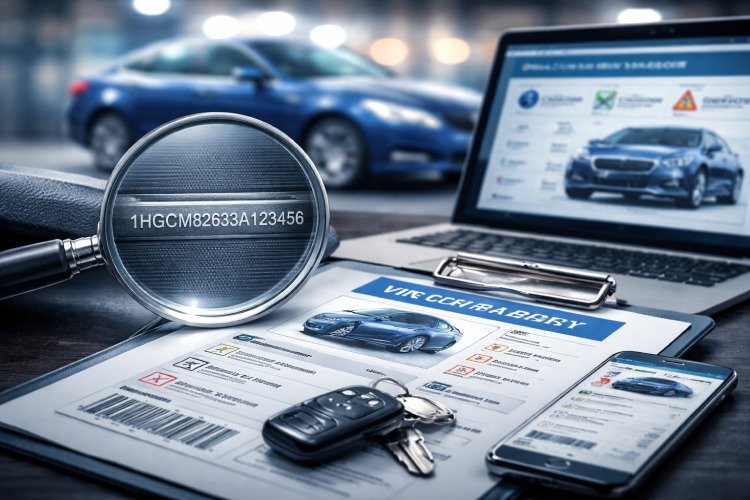
Auto fraud hides behind clean paint and polished interiors. Buyer confidence often breaks after paperwork review. A vin decoder works as a first shield against deception. It reads the unique 17-character code assigned to every vehicle and turns it into clear vehicle information. This step supports transparency across the automotive market and protects each buyer during car buying.
VIN Lookup That Reveals the Truth
The second step after inspection is a vin lookup. A reliable vin lookup tool such as vin lookup https://vingurus.com/decoder gives buyers fast access to verified records. This vin decoder connects to a national database and delivers information about the vehicle including accident history mileage recall notices salvage indicators and ownership records. This process helps buyers avoid vehicle fraud early.
Decoding a VIN and Understanding the Structure
Decoding a vin means reading the 17-character code piece by piece. The world manufacturer identifier shows origin. The section that follows explains engine type model year and assembly plant. This unique 17-character structure ensures accurate vehicle verification. When details do not match seller claims red flags appear fast.
VIN Number as a Vehicle Fingerprint
The vin number acts as a fingerprint for a motor vehicle. No duplicates exist. This allows buyers and sellers to trace the history of a vehicle with precision. Using a vin supports verification during vehicle transactions and helps law enforcement agencies track a stolen vehicle reported stolen in national systems.
Used Car Risks and Hidden Salvage Records
The used car market attracts dishonest actors. Salvage records may stay hidden without proper vin decoding. A salvage title affects safety market value and legal issues. A vin check exposes salvage data before vehicle purchases begin. Buying a used car without this step increases the risk of buying a stolen vehicle or one rebuilt after severe damage.
Table Vehicle Check Comparison
|
Aspect |
With VIN Decoder |
Without VIN Decoder |
|
Vehicle history report |
Available |
Missing |
|
Odometer fraud |
Detectable |
Hidden |
|
Salvage title |
Verified |
Unknown |
|
Accident history |
Visible |
Unclear |
|
Market value |
Accurate |
Guess |
|
Legal issues |
Reduced |
Possible |
Transparency Builds Trust in the Car Market
Transparency improves trust between buyers and sellers. Verified vehicle histories support informed decisions. A vin decoder adds clarity to vehicle purchases and protects car buyers from fraudulent behavior. Transparency also strengthens the automotive industry by reducing disputes and fraud prevention gaps.
Free VIN Tools and Their Limits
A free vin decoder gives surface level data. Make model and year appear fast. Yet deep vehicle histories remain hidden. Accident history service records and odometer inconsistencies require a full vin lookup connected to a broad database. Free vin tools help but do not replace a detailed report.
Using a VIN to Protect Buyers
Using a vin uncovers mileage discrepancies title changes and recall records. Odometer fraud often appears only through historical data. This process helps buyers verify the real vin and avoid buying a stolen vehicle with cloned identifiers.
Red Flags Found Through VIN Decoding
-
Odometer readings conflict with mileage history
-
Salvage title missing from seller disclosure
-
Vehicle details differ from listing
-
Accident history not mentioned by seller
-
VIN plate shows signs of tamper
Fraud Prevention Across the Automotive Industry
VIN decoders play a key role in fraud prevention. They support buyers and sellers while assisting law enforcement agencies. By running a vin before buying a used car buyers reduce exposure to car scams and costly mistakes.
Benefits of Using VIN Decoders
Benefits of using vin tools include accurate vehicle information improved verification stronger transparency and safer vehicle market conditions. Buyers gain confidence while sellers gain credibility. This balance supports fair vehicle transactions.
Future of VIN Technology
The future of vin systems points toward faster decoding deeper databases and stronger links with national highway traffic safety records. VIN decoding continues to evolve as the automotive market grows more digital. This future of vin protects vehicle owners and buyers alike.
FAQ
Can a VIN decoder detect odometer fraud?
Yes odometer fraud appears when mileage records conflict across vehicle histories
Does a VIN lookup help avoid buying a stolen vehicle?
Yes reported stolen records surface during vin lookup verification
Is a free VIN decoder enough for buying a used car?
Free vin tools help but a full vehicle history report offers stronger protection
Why does market value change after VIN decoding?
Accident history salvage data and mileage impact market value
Do law enforcement agencies use VIN databases?
Yes law enforcement agencies rely on vin systems to track stolen car activity