
How Syria Supports Sports Under Unstable Conditions
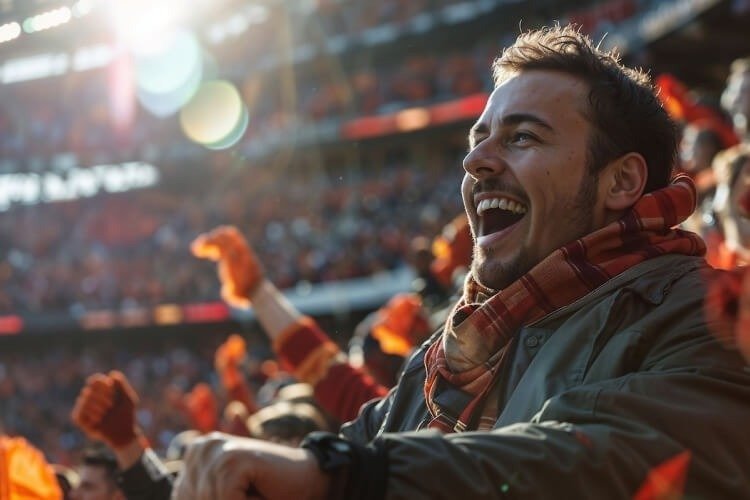
Even amid hardship, sport in Syria keeps moving forward — driven by quiet persistence within neighborhoods and clubs. Though supplies are few, athletes train alongside mentors who refuse to step back. Cooperation among teams and federations helps preserve events meant for young players, too. What stands out is how physical activity builds connection, offers growth, and pushes past despair. Look closely at how athletic life survives when everything seems against it.
Maintaining Sports Programs Through Change
Even under tight constraints, Syria keeps sports alive through practical adjustments. When big gatherings aren’t possible, local matches take priority over national ones. Smaller training units have become common, helping maintain athlete progress. Flexibility in scheduling and resource sharing makes ongoing development feasible. Despite hurdles, skill growth continues thanks to these shifts.
Nowadays, digital platforms play a key role in keeping people involved with sports. Fans often watch games online while studying player stats at the same time. For some users interested in outcomes and wagering details, using the MelBet APK download means checking probabilities becomes easier alongside reviewing squad conditions. Updates about tournaments also arrive faster this way. Being active like this keeps viewers tied closely to ongoing athletic events.

Know when your
coins move
Alerts, real-time prices, and market news — all in one app
 Point your phone camera to install
 4.8 based on 40K reviews in the App Store and Google Play


Community Support and Grassroots Initiatives
Though often overlooked, local participation keeps sports alive across Syrian neighborhoods. From schoolyards to makeshift fields, residents step forward — organizing drills and setting up matches while coaching kids after class. Because of such efforts, routines form; momentum builds without top-down support. When clubs emerge from within, persistence follows naturally.
Online platforms also support interaction among fans and athletes by providing access to updates and discussions. Many users deepen their engagement with sports content through betting platforms, where fans follow live match results, compare performance data, and place informed bets on competitions they closely follow. Accessing all of this is straightforward via the MelBet login, which connects users to a full suite of betting markets and real-time sporting insights. This engagement helps maintain a sense of connection with the broader sports environment.
Finding new athletes often begins where play does — on local fields, through community efforts. When access stays open, growth follows naturally, even when obstacles appear. Programs built close to home adapt quickly, keeping movement alive without waiting for permission.
Examining what helps sports grow in Syria makes sense before moving ahead. Different methods play a role, showing paths toward lasting progress.
|
Element |
Function |
Impact |
|
Local initiatives |
Organize training and competitions |
Maintain participation |
|
Digital platforms |
Provide access to updates and data |
Enhance engagement |
|
Community support |
Encourage involvement and motivation |
Strengthen resilience |
|
Adaptation strategies |
Adjust programs to conditions |
Ensure continuity |
Despite challenges, local initiatives form the backbone of athletic growth in Syria. Still, progress relies heavily on flexible planning within training systems. Because conditions shift often, programs adjust regularly to keep athletes active. Even so, competition remains possible thanks to consistent grassroots support. While resources are limited, persistence shapes outcomes across different regions.
The Role of Schools and Educational Institutions
Despite tight budgets, schools in Syria still manage to run physical activities that keep youth involved. Through regular PE classes, pupils gain fundamental movement abilities within an organized setting. Small-scale events and practice drills are arranged by educators to sustain interest. Participation gets a boost when these learning environments prioritize motion-based routines.
When teachers work alongside coaches, student-athletes tend to stay engaged in regular physical activity. Because consistent participation matters, structured school environments help reinforce habits like accountability and cooperation. One clear outcome is that education settings can keep youth sports alive, even when resources are limited.
Youth Development Programs
Starting early shapes how sports grow in Syria — youth initiatives keep movement alive. Instead of waiting, schools and neighborhood centers offer regular coaching centered on technique and fitness routines. As a result, talented boys and girls gain paths forward while sharpening what they can do.
Even with tight budgets, programs still push for young people to join — keeping the future of sport alive. Getting involved early reveals natural ability while building grit, cooperation, and structure.
Small-scale youth tournaments offer meaningful practice along with a drive for competitors. Through these gatherings, stability often stays intact across athletic settings.
Coaching and Mentorship in Challenging Conditions
When things shift unpredictably, coaches keep athletic progress moving. Because circumstances change, they reshape workouts based on what tools are at hand. Yet growth doesn’t stop — athletes still advance through support tailored to their needs. Even with obstacles, steady direction helps performance grow steadily.
When mentorship enters coaching, motivation tends to grow stronger in athletes. Although guidance comes quietly, it shapes focus through tough moments. Because trust forms between coach and player, setbacks feel less overwhelming. Even small words at key times can shift a mindset. While challenges appear, a steady presence keeps the effort alive. Where belief dips, reassurance often arrives without fanfare.
Because conditions shift over time, coaches who keep learning stay capable. Their ability to adjust strengthens Syrian sports at every level.
Infrastructure Limitations and Creative Solutions
Though infrastructure gaps hinder sport growth across Syria, local groups keep activities alive through resourcefulness. In parks or school yards, practice takes place where possible — space matters less than commitment. Where gear is scarce, routines adapt; every item gets reused many times over. Even without permanent venues, momentum builds quietly, week after week.

When standard gear is unavailable, makeshift tools often fill the gap to keep training on track. What stands out is how competitors and mentors adapt without losing intensity. Though limited by resources, effort remains steady through creative approaches. In place of conventional setups, trial-and-error strategies emerge naturally. Even basic materials can support meaningful practice when applied thoughtfully. The ability to adjust defines much of their ongoing progress.
Even with such hurdles, efforts to grow sports stay firm. Because of this resolve, competitors keep practicing and taking part, regardless of tough conditions.
How Sports Shape Mental Toughness
Among Syrian communities, sport helps people manage emotional stress during hard times. Though conditions shift unpredictably, moving the body each day builds something steady — a pattern that grounds experience. Because competition demands attention, minds grow sharper through practice. Even small victories in training strengthen inner resolve when outside life feels unstable.
Playing team sports builds connections among people, helping them feel included. When facing difficulties, that inclusion becomes a quiet strength. Support from teammates matters deeply, shaping how someone stays driven. Well-being often grows where encouragement exists.
When people play sports, their communities often grow stronger. Because of this effect, keeping athletic activities going during hard times matters a lot.
Global Collaboration and Support
Outside groups working with Syrian programs bring equipment, instruction, and one chance at competition after another. Help arrives through joint efforts — better gyms appear, mentors show up, and events open doors.
Through regional and international competitions, Syrian athletes access new levels of training and competition. Because they face diverse opponents, skills improve over time. Their progress reflects national representation abroad. As a result, Syria becomes more visible within worldwide athletic circles.
Because global backing exists, ideas move more freely between nations, sparking new methods in sport. Where collaboration takes root, progress tends to last longer.
Long-Term Prospects for Sports in Syria
Though obstacles remain, there is room for progress in Syrian sports. With steady backing for young athletes, local projects, sometimes paired with global partnerships, rebuilding becomes possible over time.
With better stability, chances to grow and update rise. Progress opens doors for sports groups to build stronger systems while improving how athletes train.
Even amid hardship, athletes and local groups show steady resolve — proof that sport remains central to Syria’s path forward. Such persistence quietly builds what comes next.
Strength Through Persistence and Community Effort
Through war and displacement, Syrian athletes keep training — often in damaged facilities, always with limited gear. Yet programs survive, sustained by local coaches who organize youth leagues amid interruptions. When fields are unsafe, pickup games emerge on broken pavement, guided by older players turned mentors. The future remains uncertain — but movement continues, step after step.