
CS2 Market in 2025: The Biggest Change in CS History and What’s Next

Counter-Strike 2 skin market, valued at $5 billion, is navigating a transformative period that many consider the most significant in Counter-Strike’s over two-decade history. With a player base of 22.5 million monthly active users, the market has grown 15% since December 2024, driven by heightened demand and major events like the BLAST.tv Austin Major 2025. However, Valve’s mid-2025 trade protection update, which locks traded skins for seven days with a one-click reversal option, has sent shockwaves through this $5 billion digital economy. For investors and traders, staying informed is crucial, and it’s wise to regularly check cs2 skin prices for real-time updates. This article explores the update’s impact, why it’s a historic shift, and what lies ahead for this dynamic market.
The Trade Protection Update: A Historic Shift
Introduced around mid-2025, the “Trade Protected Items” update is Valve’s boldest move to combat scams and account takeovers, surpassing even the 2018 seven-day trade lock in impact. The feature allows players to reverse any trade within seven days with a single click, requiring no support tickets or evidence—a first in Counter-Strike’s history. However, reversing a trade triggers a 30-day trading ban to prevent abuse, and traded skins cannot be used, altered, or re-traded during the lock period. This applies only to CS2 items, prohibiting cross-game trades, and pre-update trades are exempt.
The update addresses a speculative frenzy that began with the 2019 Storage Units, which expanded inventory limits from 1,000 to potentially 1 million items. This fueled bulk hoarding of “commodity items” like cases and agents, driving a 2025 “UP ONLY” market surge where prices soared due to bot-driven manipulation. The trade protection update caps weekly purchases at 1,000 items, stranding hoarded supply in Storage Units with limited liquidity. For example, liquidating 100,000 cases now requires 100 weeks or a complex network of buyers, effectively curbing scalability. This shift from volume-driven speculation to value-focused trading marks the most significant market change in CS history.
Current Market Dynamics: A New Reality

The update has reshaped the CS2 economy. Cash trades, once reliant on trust-based “you go first” deals, are fading as the reversal option introduces uncertainty, potentially ending this practice. Trading platforms have paused operations, likely adopting seven-day holds to align with the lock, while Steam’s Community Market, with its 15% fee, sees increased activity for stickers and cases unaffected by trade restrictions. The immediate impact included a 12% drop in trading volume and a 5% price dip for high-value skins like the AWP Dragon Lore, now valued at over $11,000, though lower-tier items remain stable.
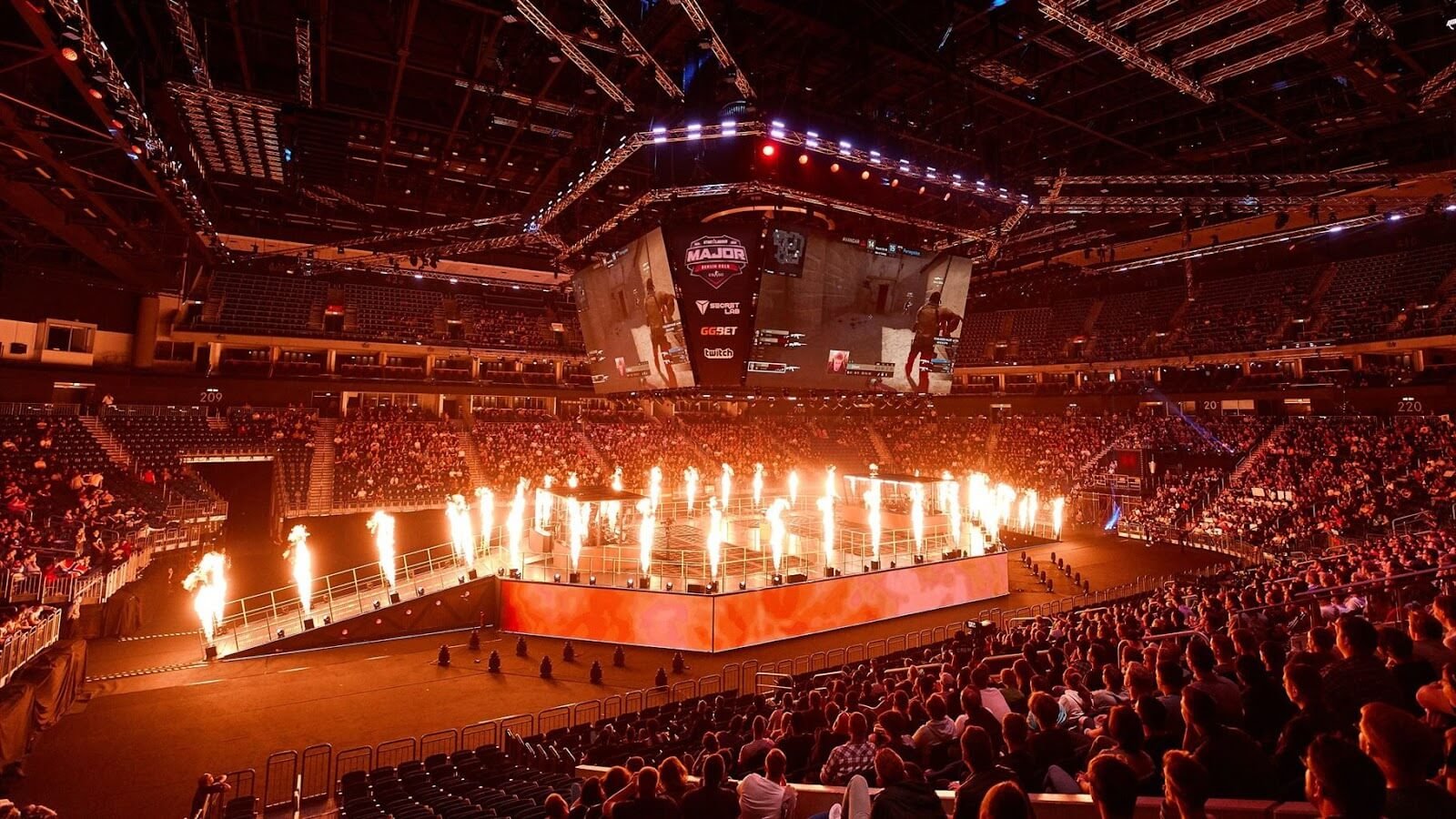
Online discussions reflect mixed sentiments: traders worry about liquidity, with bulk strategies like hoarding cases or agents now impractical, but some see potential for rare skins to gain value due to reduced supply. The Budapest Major 2025 (November 24-December 14) looms large, with historical data suggesting a 10-15% price surge during Major lead-ups, offering a counterbalance to the initial disruption. The market’s resilience, driven by 22.5 million players, suggests adaptation is underway, but the transition is complex.
Economic Drivers: China and Crypto Influence
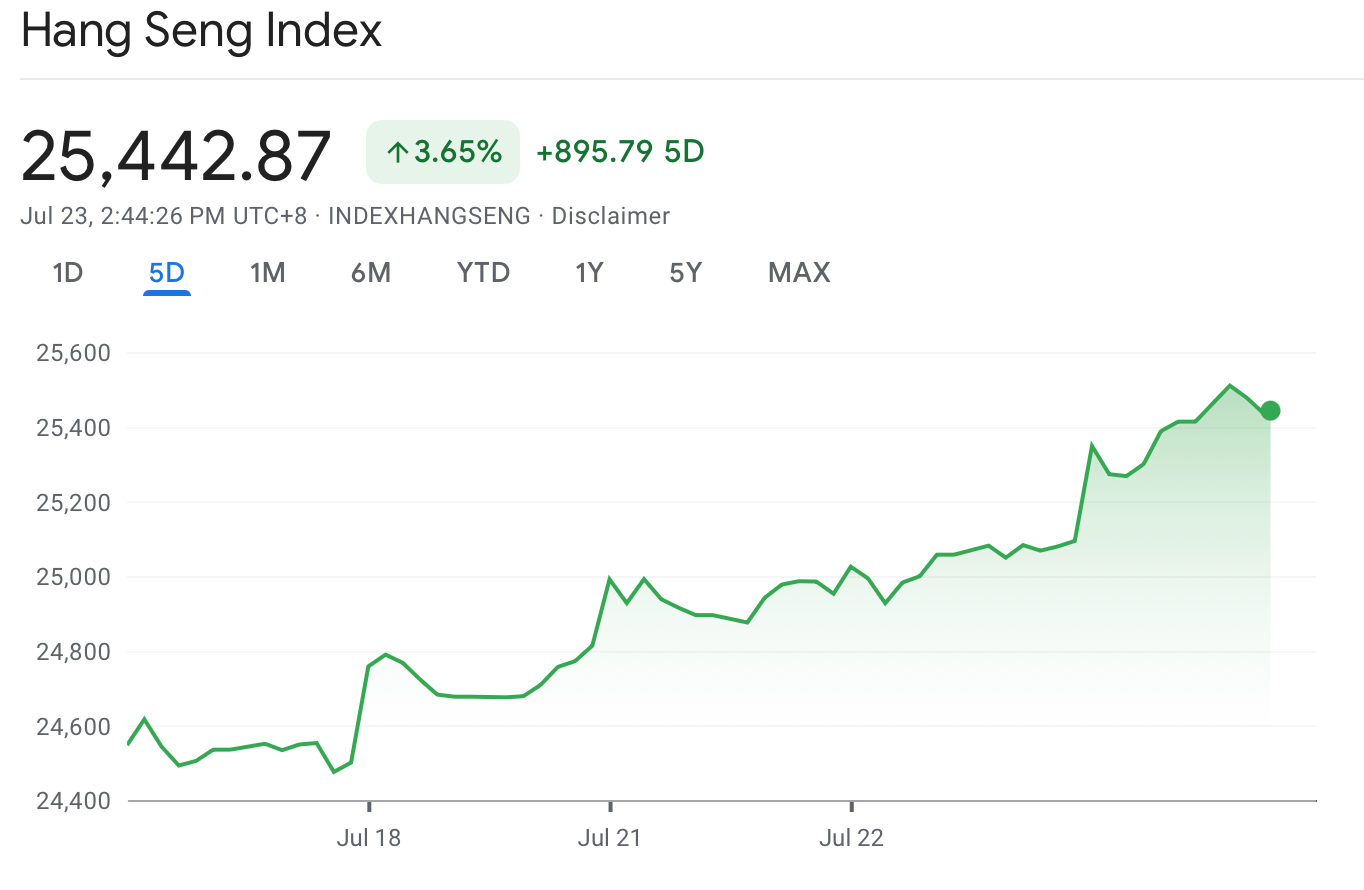
Two external factors have amplified the market’s dynamics. First, the Chinese economy’s recovery, evidenced by the Hang Seng Index rising to 25,442 points on July 23, 2025, with a 6.08% monthly gain and 43.85% yearly increase, has boosted disposable income for Chinese players, who form a significant portion of CS2’s user base. This has driven demand for skins, particularly high-value items. Second, the cryptocurrency market’s bull run, with a $3.4 trillion market cap in July 2025 after peaking at $3.8 trillion in December 2024, suggests investors are diversifying profits into digital assets like CS2 skins. However, crypto volatility, influenced by U.S. trade tariffs in Q1 2025, adds uncertainty to this inflow.
What’s Next for the CS2 Market?
The trade protection update’s long-term impact hinges on player and investor adaptation. The seven-day lock could enhance rare skin values—like the Karambit Crimson Web, up 18% in 2025—by limiting available supply, but short-term price dips are likely as bulk traders offload holdings. The 1,000-item weekly cap disrupts bot-driven operations, potentially restoring the market’s focus on intrinsic value over speculative volume. The 22.5 million player base’s response will be critical; if they embrace the security, especially for high-value skins, the market could stabilize at a higher valuation. The Budapest Major 2025 is a key test, with its potential 10-15% price surge possibly offsetting initial losses. To make informed decisions, it’s essential to compare cs2 skin prices frequently to track trends and adjust strategies.
The update may also reduce scams, boosting investor confidence, but risks remain. The inability to reverse specific trades (all trades are undone) and the 30-day trading ban for reversals could deter quick trades, impacting liquidity. If demand from the growing player base lags, prices may stabilize or drop further. Valve’s intent appears to shift the market back to its “OG trading” roots, prioritizing pixel value over profit charts, a move that could foster a healthier economy long-term.
Invest Wisely in CS2’s Evolving Landscape
The trade protection update is the most transformative change in Counter-Strike’s market history, reshaping a $5 billion economy. For fintech enthusiasts and investors, this presents both challenges and opportunities. By leveraging market data and timing trades around events like the Budapest Major, you can navigate this new era. The CS2 market’s future is bright but requires adaptability—stay proactive and seize the potential in 2025.