
The Increased Presence of Cryptocurrency in Online Gaming and Gambling
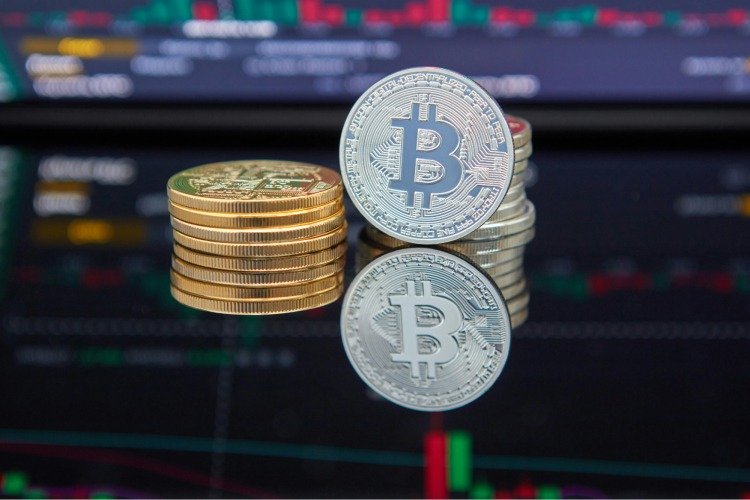
The rate of development in payment processing has begun to match the rate of consumer digital technology adoption. This has been aided by the proliferation of blockchain technology and consumer appetite for digital leisure. The further integration of payment processing to digital gaming and betting will be foundational to building blockchain-based systems. Based on multiple blockchain analyses and aggregated market studies, the first big spike of gambling-related digital currencies occurred in Q1, 2025, with crypto gambling achieving gross revenues of over $26 Billion.
The last few years have seen an integration of more and more forms of cryptocurrency into online gaming and betting as transactional layers. This trend reinforces the more general advancements in digital payments and user expectations regarding speed and other forms of accessibility. Service operators are integrating more and more blockchain-based systems that facilitate the processing of deposits, bets, and other transactional services, while decreasing their reliance on conventional banking systems.
Rainbet, for example, offers its users access to gaming via mobile crypto casino where they use digital assets to participate in gaming and betting activities. This is a reflection of a predominant trend in the industry, rather than an isolated instance. Against this background, cryptoNews.net seeks to understand the impact of cryptocurrency on the online gaming and betting industry, and the implications for platform architecture and user behavior.

Know when your
coins move
Alerts, real-time prices, and market news — all in one app
 Point your phone camera to install
 4.8 based on 40K reviews in the App Store and Google Play


This article first touches on the preference of users to gamify the payment process, and then addresses the transparency of blockchain, the high speed of transactions, and user behavior.
Why Digital Currencies Are the New Way to Pay
The robust demand for cryptocurrency to complete a transaction in online games is largely due to the desire for faster settlement and fewer transaction intermediaries. Existing payment systems block transactions from being processed in certain regions and set length limits on transaction times. Digital currencies are capable of near-instant transfers regardless of geographical boundaries.
In a segment of a report on the gaming industry, data from Binance shows a declining volatility trend in gaming transactions that is likely induced by the growing use of stablecoins. Users of gaming transactions are more likely to ‘play it safe’ by “keeping it crypto.” The trend suggests a growing acceptance of digital assets as monetary forms for transactions instead of speculative forms.
Binance and the market research data agree that the volume of crypto gambling for Q1 2025 was considerable, as total bets exceeded $26 billion. The crypto-native rails for gaming transactions are in demand. Reduced chargeback risk and faster settlement time that appeals to operators and access to wagering platforms that rely on payment cards or bank approvals for settlement time that appeals to users, drives mutual satisfaction.
How Blockchain Technology Is Improving Transparency
The transaction layer of blockchain introduces a verification system. Digital gaming platforms can gameify transaction activities in a format that can be audited and kept in the public record. This system reduces the burden of record keeping on the gaming platform and, in some cases, facilitates user verification of the game outcome by executing a smart contract.
Decentralised gaming applications rely on smart contracts to automate betting, payouts, and game mechanics. Automation significantly reduces the need for human involvement and maintains the integrity of the game logic. Decentralised gaming platforms may even offer systems where the fairness of the outcomes can be demonstrated.
Binance ecosystem and external blockchain analyses show that decentralised gaming applications have a significant user base within Web3 gaming and are rapidly growing. One analysis reports that gambling-related decentralised applications had user growth during a time when most other applications in blockchain were declining.
Gambling decentralised applications have a verifiable fairness system, and most users appreciate the transparency and reduced complexity. However, the decentralised gambling structure is complex, and smart contracts need to be secured on the gaming platforms.
The Benefits of Cryptocurrency in Online Gambling: Speed and Convenience
Cryptocurrency offers the ability to have transactions settle almost instantaneously. This makes Cryptocurrency the preferred withdrawal and deposit method in online gambling.
It is estimated that by the end of the first quarter of 2025, gambling-related cryptocurrency transactions surpassed $26 billion. This figure is attributed to an increasing number of customers who want the ability to deposit and withdraw funds almost instantaneously.
Unlike traditional fiat currencies, the borderless and decentralized nature of cryptocurrencies means that users are able to gamble anywhere in the world, including jurisdictions where traditional banking methods are unavailable.
The characteristic of volatility is still a concern for some users as digital assets continue to experience variable liquidity. The introduction of Stablecoins is expected to address some of these concerns. In addition, multi-asset support is expected to offer users the ability to operate in a flexible environment while also assuming a certain level of risk.
Changing User Behavior in Online Gambling
As many blockchain technologies continue to develop, user expectations in online gambling have also evolved. Users now demand the ability to onboard and cash out rapidly, as well as full transparency of all off-chain activities.
Some segments of the user population in blockchain gaming actually prefer longer and more intentional gaming sessions that are in stark contrast to the brief gaming interactions that are concentrated on mobile. The willingness to engage in longer gaming sessions has also driven some segments of the user population to prefer gaming platforms that are enabled with blockchain and cryptocurrency technologies.
Users seek control and autonomy of the gaming ecosystem and the rigidity of closed-loop systems. As a result, users are abandoning these systems in favor gaming systems that are flexible and provide verifiable fairness and a choice of payment systems.
Despite the rapid growth of the industry, many of its large-scale structural problems remain unresolved. To begin with, a focus on regulatory compliance results in a multitude of changing legal frameworks. Additionally, a limited number of online gaming operators control the market, which could stifle competition in the future.
What Lies Ahead for the Convergence of Digital Gaming and Blockchain?
The sophisticated and transparent payment systems of the future, combined with gaming platforms based on cryptocurrency, will place such gaming systems at the leading edge of the global gaming markets, which place a premium on fast and efficient financial transactions. Rapid growth of the market will follow technological advancement. However, the long-term health of the market will depend on regulatory clarity and infrastructure design that is both cohesive and consistent.
Within Gaming and Wagering, Blockchain will remain a primary technology for experimentation and innovation as the rapid redesign and reconfiguration of new Digital Entertainment Networks continues.