
Bitcoin's Push Past $69K and What It Means for UK Sports Bettors Using Crypto
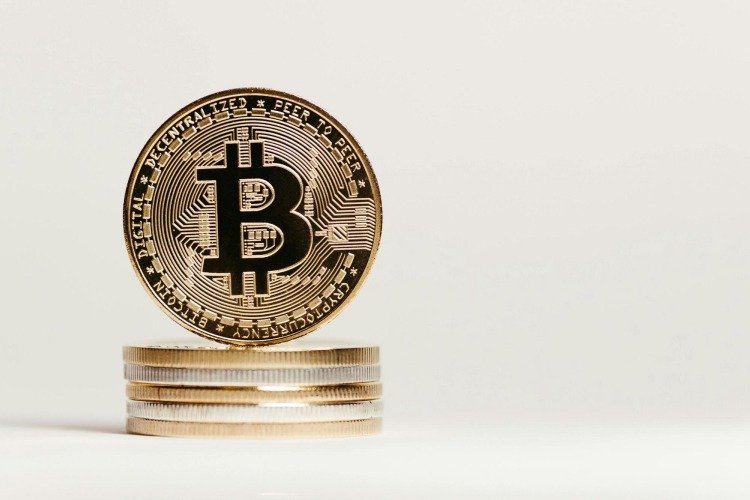
In March 2026, Bitcoin cleared $69,000 again. In the same 24-hour window, the total cryptocurrency market cap added $100 billion, according to data from major exchanges including Binance and Coinbase. Trading volume on Bitcoin pairs jumped approximately 35%. Long-term holders didn’t move. Exchange reserves continued their multi-year slide toward self-custody.
For most people, that’s a price story. For UK sports bettors who use crypto, it’s something more specific: a recovering asset they’re also spending.
If you’ve been using any of the leading Bitcoin betting sites for deposits and withdrawals, you’ll know the appeal has always been more practical than philosophical. The price recovery adds another dimension to that. You’re not simply funding a wager in a neutral currency. You’re deploying an asset that happened to gain over 4% while you were thinking about the weekend’s fixtures.
That dual-purpose quality is worth understanding properly.
A Recovery with Something Behind It
Price moves happen constantly in crypto. What makes this particular push above $69,000 worth paying attention to is the structure behind it.
On-chain data from Glassnode showed long-term holder supply remaining steady throughout the recovery period. That’s a sign of conviction rather than a rush to sell into strength. Meanwhile, Bitcoin spot ETFs had accumulated net inflows of over $20 billion in the previous year alone, even during price consolidation phases, according to analysis published by Amberdata. The broader picture, as of early 2026, puts cumulative ETF inflows approaching $60 billion, with institutional projections pointing beyond $100 billion as pension funds and wealth management firms expand their allocations.
Exchange reserves, the amount of Bitcoin sitting on centralised platforms available for sale, have been declining for years. Fewer coins available to sell, combined with sustained buying pressure from institutional products, is a different market backdrop than a speculative spike driven by retail enthusiasm.
For a UK bettor holding Bitcoin, that distinction matters. You’re not catching a bubble. You’re participating in an asset with deepening structural support.
The Withdrawal Experience Changes the Conversation
Most crypto coverage treats Bitcoin as something to hold, watch and perhaps eventually sell. Bettors interact with it differently. They deposit, they withdraw, they manage a bankroll across multiple sites and sessions. Payment speed and privacy aren’t abstract benefits for this audience; they’re the whole point. Compared to the traditional payment systems Bitcoin offers a number of advantages:
-
Speed. A bank transfer can take between two and five business days to settle, while a debit or credit card withdrawal may take up to twenty-four hours.
-
Privacy. All transactions recorded on the blockchain can be traced back to the address or wallet they were sent to, therefore no personal identification is necessary for any blockchain transaction.
-
Transaction Costs. The cost of a transaction on the crypto-networks is small, as there are no bank intermediaries involved in the transaction.
The FCA’s research, published in November 2024, found that 12% of UK adults now own crypto, up from 10% previously, with awareness at 93% across the adult population. That’s a substantial and growing base of people who already have the infrastructure in place to use Bitcoin for betting without any additional setup.
A recovering price and these practical advantages don’t often arrive together. You’re not just funding a bet. You’re using an asset that gained meaningfully overnight and that settles your winnings in minutes rather than days.
Regulation Is Moving (Slowly, But in the Right Direction)
Here’s where the longer-term picture becomes genuinely interesting.
On 26 February 2026, UK Gambling Commission Executive Director Tim Miller addressed the Betting and Gaming Council’s annual meeting in London. He announced that the Commission had formally asked its Industry Forum to examine what a sensible pathway might look like for introducing cryptoassets as a consumer payment option on licensed gambling platforms. His reasoning was explicit: crypto is already one of the more common search terms leading UK players to unregulated sites with fewer consumer protections.
’Demand exists and will probably grow,’ Miller said.
That framing matters. The UKGC isn’t treating crypto betting as a fringe concern to be managed away. It’s treating consumer demand as a regulatory challenge that needs a proper answer, according to reporting by iGaming Today. Any formal pathway will need to align with the Financial Services and Markets Act 2000 (Cryptoassets) Regulations 2025, with FCA authorisation for crypto payment firms expected by October 2027. The timeline is measured in years, not months.
But if the UK’s own gambling regulator is building a framework because players are already voting with their wallets, that tells you something significant about how far adoption has actually come.
Bitcoin’s Price Recovery and the Bigger Picture
Bitcoin at $69,000 catches headlines. What it means for UK bettors is considerably more nuanced than the number suggests.
The asset they’re using for fast withdrawals and private transactions has recovered its value. The structural indicators (holder behaviour, institutional inflows, declining exchange reserves) point to a more resilient market than a year ago. And the regulatory environment, while still in early stages, is moving toward a framework that could bring Bitcoin payments into the licensed UK gambling market rather than pushing players toward offshore alternatives.
Demand is already there. The regulatory architecture is beginning to form around it. As Bitcoin holds above key psychological levels and October 2027 draws closer, the question for UK bettors isn’t really whether crypto betting belongs in the mainstream; it’s how quickly the mainstream is prepared to meet it.