
 coindesk.com
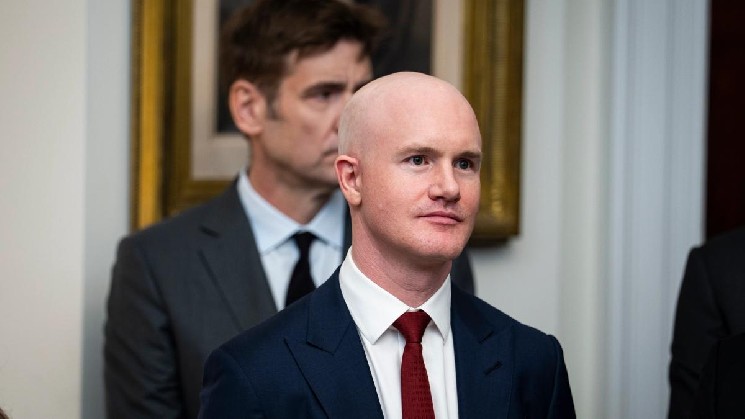
The crypto industry has staked most of its high-profile congressional midterm spending on Republicans, putting the sector in the trenches with the party that most polls predict will take a heavy hit in the elections.
One of the most fearsome corporate campaign operations in this U.S. election cycle, Fairshake has been the outsized and most highly active political action committee for digital assets interests. The super PAC (and its affiliates) devoted $154 million to its favored candidates in these elections, a spokesman said, and it still has a $56 million nest egg to keep it rolling into the next cycle, similar to its strategy two years ago.
The smaller Digital Freedom Fund — the super PAC backed primarily by Tyler and Cameron Winklevoss — got into the general-election fight, too, committing more than $8 million this month to prevent Democratic challengers from gaining Senate seats in Ohio, Texas and Iowa, according to filings with the Federal Election Commission.
Another super PAC, the Fellowship Fund, was funded by Cantor Fitzgerald and is closely tied to stablecoin leader Tether. It gave $3.8 million to Republican candidates earlier in the year, including Ken Paxton, running for the Senate in Texas. Then the PAC added a final three endorsements for Democrats, giving those incumbents $600,000, with half of that going to New York's U.S. Representative Ritchie Torres, one of his party's most enthusiastic supporters of crypto.
All three leading crypto PACs have favored Republican candidates more than Democrats, though only the WInklevoss' effort is a single-party push for the GOP.
"Fairshake has always been and always will be an issue-focused organization," said spokesman Geoff Vetter in a statement. "We back pro-crypto candidates who support American innovation in both parties, and look forward to continuing to build on the largest pro-crypto caucus in American history."
The nearly $170 million in campaign dollars from these three PACs, not including smaller or individual donations from crypto executives, puts the industry high among political players in the U.S. congressional contests. The spending, which also doesn't include dark money devoted to activity that doesn't require disclosures, represents advertising, direct mailers, political texts and other efforts to influence voters — all done independently of the politicians' internal campaign strategies.



