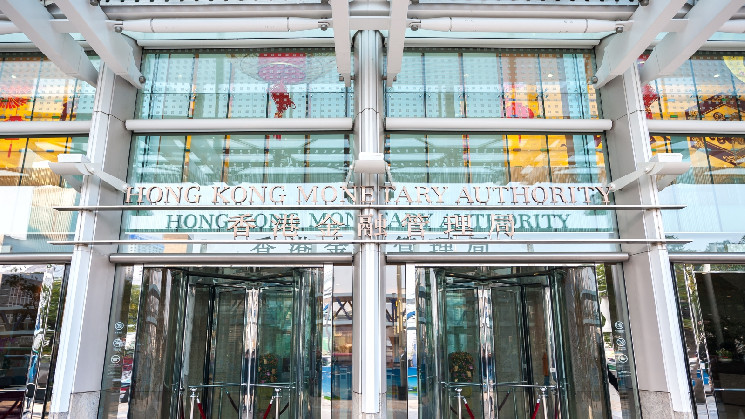
Under the country’s Securities and Futures rules, professional investors are defined as having a portfolio of no less than HKD$8 million (US$1 million).
“In the case of virtual asset futures contracts traded on a specified exchange which is a regulated futures market, trading is governed by conventional rules. Pricing transparency and potential market manipulation may be less of a concern,” the circular reads.
Crypto ETFs typically track a basket of digital asset prices, allowing an investor to diversify their crypto portfolio while forgoing the need to hold any individual assets. Canada, Brazil, parts of Europe and Dubai have already launched crypto ETFs. Futures-based crypto ETFs, on the other hand, track the price of futures contracts speculating on the future price of bitcoin.
The US approved its first bitcoin futures-based ETF back in October, signaling to the rest of the world that while it is not yet ready to greenlight a crypto spot ETF, futures-based products offer satisfactory investor protections as the ETF mediates with brokerages under the eye of regulated jurisdictions.
Hong Kong’s regulators also set out guidance on spot ETFs requiring a “knowledge test” so the intermediary can either accept or block an investor’s trade after determining whether the investor is aware of how the spot ETF product works.
“If a client does not possess such knowledge, the intermediary may only proceed if, by doing so, it would be acting in the client’s best interests and it has provided training to the client on the nature and risks of virtual assets,” the circular reads.

 blockworks.co