
 coinspress.com
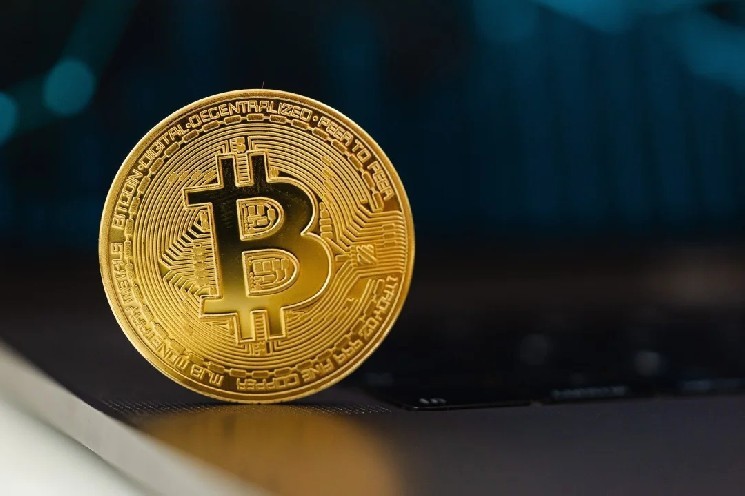
Taiwan’s government is exploring a move that could reshape its long-term financial playbook: introducing Bitcoin into the country’s strategic reserve system.
Officials familiar with the process say the idea has evolved from informal discussion into a structured review involving both regulators and the central bank. The goal is to determine whether a decentralized digital asset can complement Taiwan’s existing reserve holdings and provide additional resilience in a volatile geopolitical climate.
First Step: A Controlled Bitcoin Reserve Pilot
The plan begins with a contained experiment rather than a large-scale commitment. Bitcoin seized in criminal cases and normally slated for auction will temporarily serve as a test reserve position. By monitoring these holdings inside a simulated reserve structure, policymakers hope to understand price behavior, custodial requirements, and operational challenges before considering any formal adoption. If the initiative advances, Taiwan could become one of the first Asian economies to test Bitcoin in a sovereign reserve context.
Regulators Draft New Legal and Technical Frameworks
To make such a transition viable, Taiwan must adapt its regulatory architecture. Teams across the government are preparing legal definitions and reserve compliance rules to accommodate digital assets. This includes custody protocols, valuation methods, long-term reporting standards, and contingency procedures. Technical groups are also evaluating how blockchain-based reserves could integrate with existing financial systems without introducing vulnerabilities or disrupting established workflows.
Strategic Motivation: Diversification and Geopolitical Protection
Economists say the interest in Bitcoin is tied to broader concerns about geopolitical stability and long-term economic security. Taiwan relies heavily on traditional reserve structures, but officials are considering whether digital assets could act as an additional hedge against regional military tensions, currency fragility, or global supply-chain risks. Bitcoin’s neutrality and decentralization, analysts argue, may offer a form of protection not available through conventional assets.
READ MORE: JPMorgan and DBS Set Out to Redefine Global Payments Through Tokenization
A Potential Leadership Moment for Asia
If Taiwan moves forward, the policy shift could establish the island as a leader in digital-asset governance within the region. Several Asian countries have embraced digital finance, but few have publicly explored integrating Bitcoin into official reserves. Such a step would signal a willingness to innovate at the state level and could strengthen Taiwan’s reputation as a forward-facing financial hub.
Central Bank: Research Still in Early Stages
The Central Bank of Taiwan emphasized that the review is preliminary. Working groups will continue evaluating risk models, legal feasibility, and potential long-term impacts before making any recommendation. Depending on the findings, the idea of an official Bitcoin reserve could eventually appear in broader strategic discussions, though no timeline has been set.
Digital Assets Begin Entering National Policy Conversations
For now, Taiwan’s exploration reflects a global trend: more governments are examining whether digital assets should play a role in state-level financial planning. As national strategies evolve in response to economic uncertainty, Taiwan may find itself among the early adopters testing how Bitcoin fits into modern reserve theory.