The administrative guidance, from the FSC allows existing loans to run their course but bars the rollout of new lending services. Officials said that if platforms ignore the directive, on-site inspections and other supervisory actions will follow. Formal lending guidelines are expected in the coming months.
Korea's crackdown lands as crypto leverage globally surges back toward bull-market levels. Galaxy's report shows crypto-collateralized loans jumped 27% in Q2 to $53.1 billion, the highest since early 2022.
Last week’s $1 billion liquidation wave, sparked by bitcoin’s retreat from $124,000 to $118,000, highlighted how quickly overstretched bets can unwind.
Analysts warn that stress points are already showing across the system: DeFi liquidity crunches, ETH staking exit queues, and widening spreads between on-chain and over-the-counter dollar lending rates.
However, not everyone agrees with the approach the Korean authorities are taking. DNTV Research's Bradley Park argues that better safeguards are needed, and not a shutdown.
“The rational approach is to upgrade UI/UX, risk disclosures, and LTV controls to manage exposure safely,” Park told CoinDesk in a note, noting that most exchange lending is in stablecoins used to build short positions.
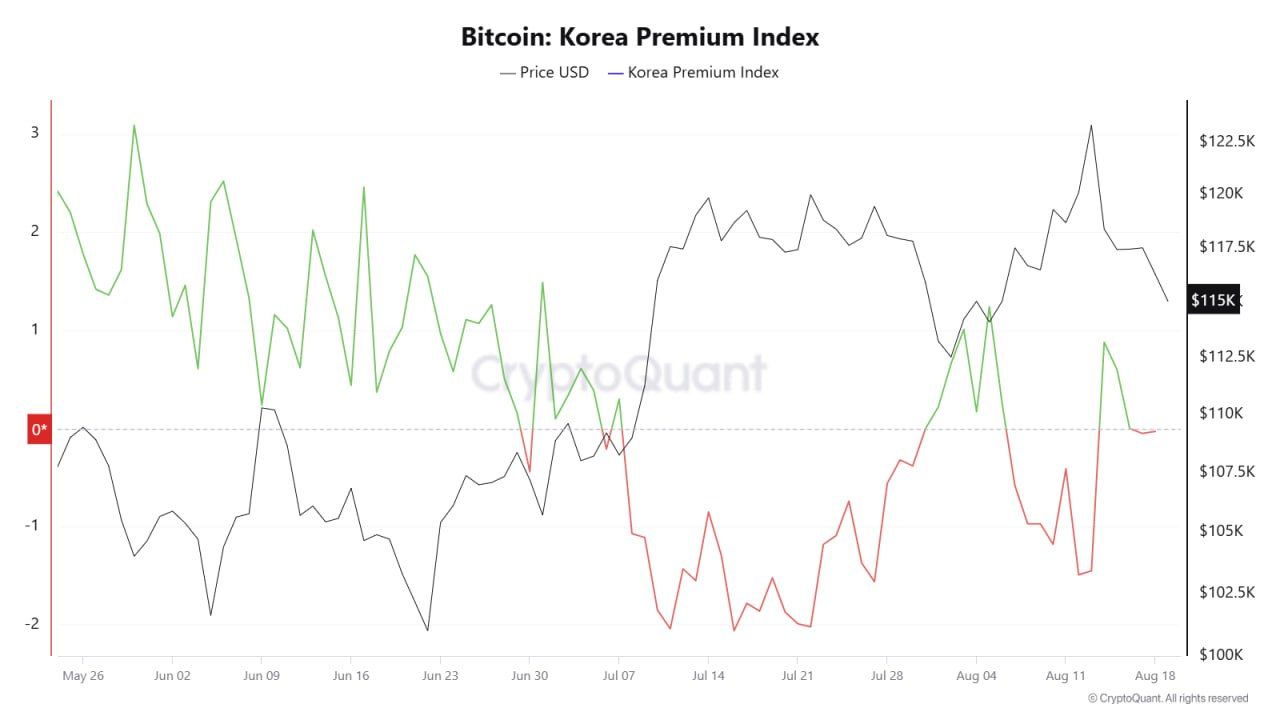
He added that the regulator’s real concern may be market-structure distortions, such as the negative kimchi premium, rather than the service itself.
Park said that transparency gaps also complicate oversight: Bithumb discloses the scale of its lending activity, but Upbit, the country’s largest exchange, does not. That opacity could make it harder for regulators to judge systemic risks and may be a key factor behind the blanket suspension.
“Until these structural issues are addressed, reopening may take time; priority should be understanding the mechanism and adopting a>Crypto for Advisors: Asian Stablecoin Adoption

 coindesk.com