
 coinfomania.com
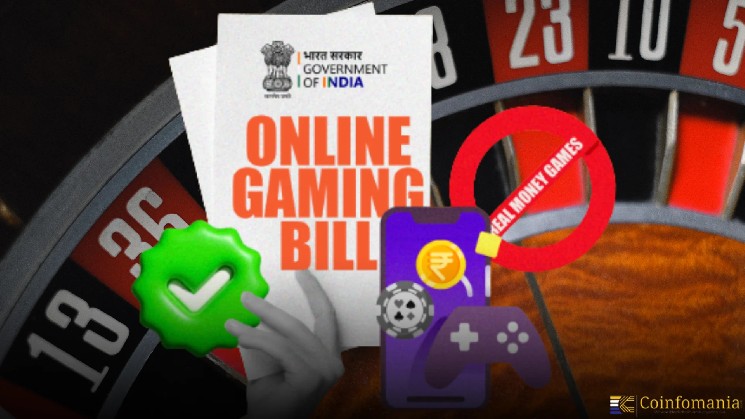
India’s ban on real money gaming in August 2025 is one of the clearest examples yet of how decisively the government is willing to act. The Online Gaming Bill, passed on August 20-21, shuts down any platform that involves deposits or stakes, which the law now calls “online money gaming.” An Online Gaming Authority is being set up to enforce it, and the penalties are sharp: up to three years in jail and fines of up to ₹1 crore.
Apps Shut Paid Features post Gaming Bill
Dream11, MPL, Gameskraft, Zupee, Probo, My11Circle, RummyCulture, and others all suspended their real money features within hours. Dream11 paused its pay-to-play contests and will disable paid features entirely once the bill gets presidential assent. MPL too has stopped all money-based offerings and promised refunds. Gameskraft froze “Add Cash” on its rummy apps. Zupee & Probo halted operations outright. My11Circle, RummyCulture, WinZO, Nazara, and Head Digital Works took similar steps, keeping free-to-play options open while withdrawals remain available.
Crypto Flagged in Cybercrime Report
At the same time, the Standing Committee’s cybercrime report painted crypto in an equally restrictive light. It mentioned crypto 15 times, almost entirely in connection with cyber threats. The report highlights cryptojacking, where hackers hijack devices to mine coins. It details scam centers and trafficking networks across Southeast Asia funded through crypto payments. Money laundering came up again and again in the report. It pointed out how peer-to-peer transfers and offshore platforms make it simple to shift money across borders almost instantly. Ransomware was another major concern. The report warned that it’s becoming a national security threat, with hospitals, schools, and businesses increasingly hit by crypto-based ransom demands. Finally, it links crypto to the underground “crime as a service” economy, where illicit financial services are built on top of it. After the Gaming Bill, this report is headed towards Crypto regulations.



